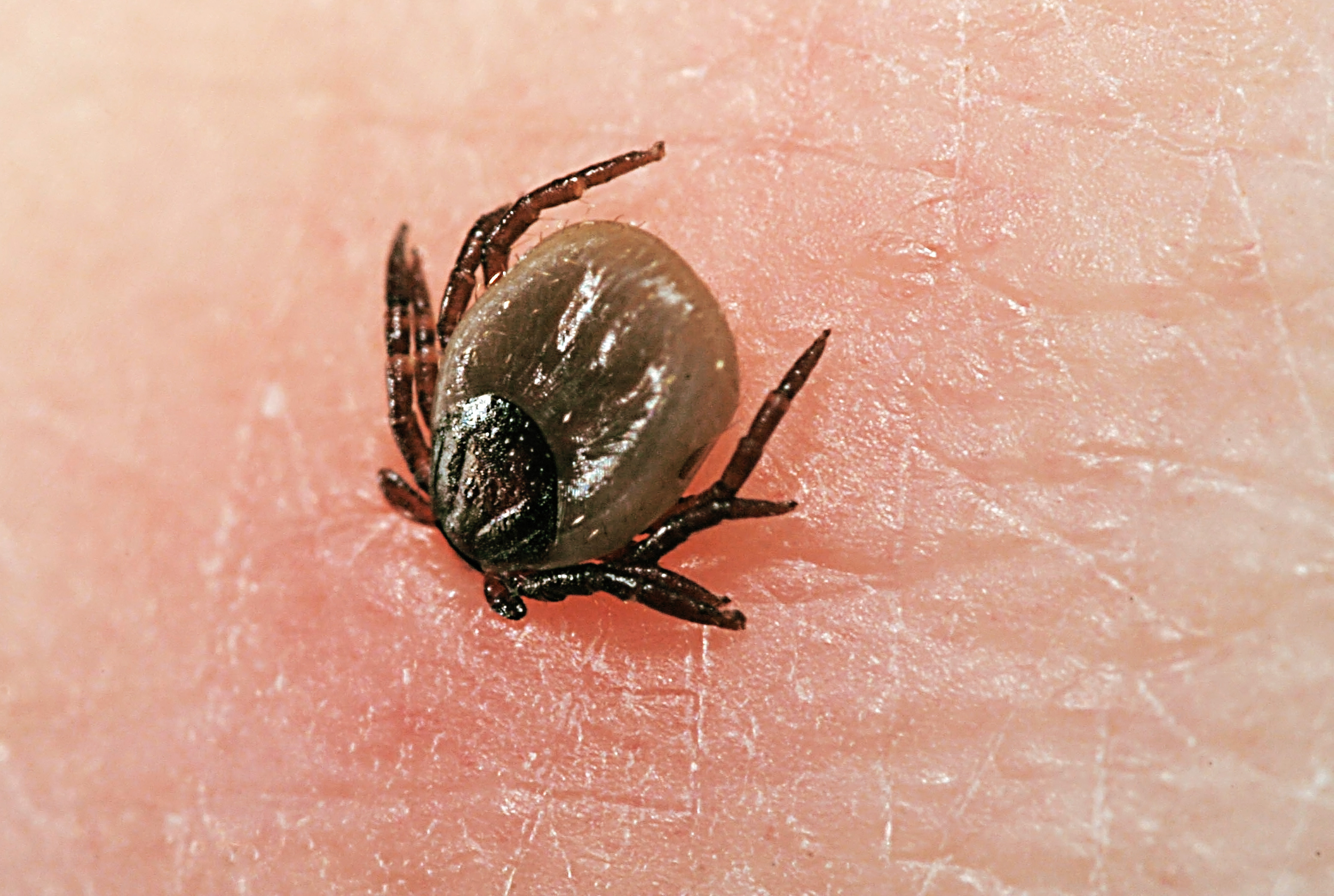
My son Alex is a bonafide tick magnet — not a chick magnet, but a tick one; which at 17 years old is strangely not as cool.
I’ve never seen anything like it. This kid excretes some sort of tick pheromone, a disco ball for parasites, because not only when we go into the woods does he come out with new colonies of ticks that are settling in and designing the city center, but even if he walks across a lawn or the grassy part of a parking lot he often gets a few hitchhikers — and this is where the outlying ticks are, the ones that have been banned from the forests and when they see Alex coming they sing songs and hold each other as they wait for their salvation to arrive.
In fact, when Alex, our dog Riley, and myself are in the woods, Alex will come out with ticks. When it’s just Riley and myself, Riley will. So according to this highly scientific evidence, if given the chance. ticks prefer to risk the larger target of Alex — even though their chance of success is far less — then shoot for the shorter and easier one of Riley the dog.
It’s very weird.
WHAT IS A TICK?
So, a tick is a type of mite that falls in the external parasites category. They attach to animals —mammals and birds but will also go after reptiles and amphibians as well — and live off the blood. They burrow their mouths under the skin and start drinking.
Now the challenge with ticks is unlike mosquitos, who take a big drink and leave, ticks are in for the long hall. Once they have found The Promised Land they have their mail forwarded and take up residency. And the longer they are there, the fatter they get off the hosts stolen blood and the harder they are to get rid of.
The most common ticks in North America are the deer ticks and the dog tick — which look very much alike

Besides being unwanted, ugly, a thief, and just plain gross, the other concern with ticks is that some carry disease. These include Colorado Tick Fever, Rocky Mountain Spotted Fever and of course, Lyme Disease. But if you’ve come out of the woods with a few ticks don’t automatically think you’ve been exposed. Even though only a few types of ticks are capable of spreading the diseases it also depends upon the geographic location, the season of the year, the type of tick and how long it was attached.
In fact, even if a tick that carries a disease has attached to you and even fed, the chance of infecting are still very low. For example, the deer tick that transmits Lyme Disease must feed for more than 36 hours before it can pass on the disease and most ticks are found within a few hours.
But if you are an overly cautions individual and want to make sure that no disease was transmitted from a tick bite, can you get a blood test to determine this? No. Even if you were infected signs in your blood will not show up for two to six weeks later. But, as long as you catch that tick before it’s been on you for three days, the odds are very high that no disease has been passed.
TICK REPELLENT
So a good offense is a strong defense. True. And the best defense against ticks are through your clothing. Commercial bug spray that you apply to your skin tries to be everything to everyone and also wears off. The best tick defense is to use a Permethrin based products that you apply to your clothes. Permethrin is a synthetic chemical found in insect repellent and there are many tick repellents made with Permethrin but the best one I’ve seen is made by a company called Sawyer that has a Duranon Permethrin spray for the deep woods. This stuff is amazing and I’ve been in the woods and watched ticks crawl on my clothes and die before they got to me.
HOW TO REMOVE A TICK
First, what not to do.
When I was a kid there were dozens of folk-treatments that were used to remove ticks — many of which, we know now, not to do. The most common is to irritate the tick into removing itself and you do this by lighting a match, blowing it out and holding the hot match head behind the tick. Or putting fingernail polish. kerosene, Vaseline or dish soap on the end of the tick. The idea is that the tick will pull out of the skin to get away from the heat or the chemical burn.
Don’t do this.
Yes, it’s possible that the tick might actually pull out of the skin. Maybe. But in panic the tick is more likely to inject its bodily fluids before escaping — fluids that would include any disease it might be carrying. And that would be a bad thing.
The best way to get rid of a tick is the tride-and-true, tweezer method — this is why it’s great to carry a small first aid kit or 48 hour kit on you in the woods — an easy one can be made from an Altoids tin and kept in your pocket.
The tweezer method:
1. With a pair of tweezers, as close your skin and its mouth as you can.
2. Pull slowly back using steady and even pressure — don’t twist. And don’t squeeze the body as this can send the body fluids into the skin.
3. If the whole tick came out, great. If not, leave the part that is still in the skin alone. If you try to go after that part you could irritate the skin even more and possibly cause an infection. Your body will eventually reject it.
4. Clean and treat the area.












 Cordless drill.
 Socket set.
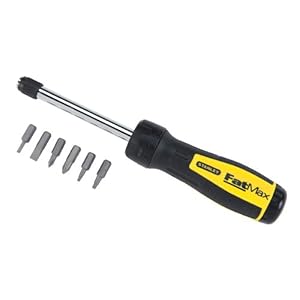 Multi bit screwdriver.
 Mini screwdriver kit.
 Reciprocating saw.
 Staple gun.
