Category: Travel and Trips

  • The art of the picnic

    The art of the picnic

    Once spring hits and then all through summer, everywhere we go we see people having picnics.

    In movies.

    And on television.

    But in real life — not so much.

    Here, in the actual world, a true picnic sighting is pretty rare. In fact, it’s up there with finding a working payphone or a thriving drive in theatre. I mean, once in a while you will see one. But not all that often.

    Now, we see people eating outside, al fresco, all the time. The office worker driving to a park to eat their Burger King meal #4 on a picnic table with a paperback opened. Sure. And the road crew at a rest stop throwing back a few sandwiches and gallons of store bought ice tea. Yup. But these are what we call — not-picnics. They are just — eating outside. And they don’t count.

    Picnics have been around forever, but they didn’t have an actual word to describe them until the 17th-century. When the French word ‘piquenique’ was formed — which took the verb ‘piquer’, meaning to pick, along with a silly rhyming syllable, ‘nique’. So the alteration of the word followed the same rule and it became — pic-nic.

    Originally, the picnic was a large outside pot luck for the gentry, with each guest expected to bring a dish to share. These were elaborate, society events, which lead to those who were involved in them to be referred to as — the picnic-society.

    From there, the picnic took it’s true form.

    As travel became more common — first with the horse and carriage and later with car — the picnic became a large part of the trip. As you traveled, the need for food on the way would need to be planned in. A trip to visit uncle Earl’s in a neighboring town a few hours away, would require you would to prepare the food — the roads weren’t always paved with drive-through’s and bargain meal deals. So, the picnic became part of the excursion. A piece of the adventure. Halfway through the trip, you find a field or a pond, or a meadow, to spread your blanket out and bring out the basket. The kids would bring a ball, or maybe a kite, and the event, would now have another event in the middle of it. You would stretch your legs, relax and recharge before getting back in the car and continuing.

    And that’s what a picnic is. An event. Not just eating — because we do that all day long while we do something else. We eat while we drive. We eat while checking our phones. We eat while watching television. We eat and don’t even notice that we’re eating.

    So what makes a picnic, a picnic?

    Okay, that’s easy. A picnic has a few fundamental aspects of it.

    1. It has to be outside. An inside picnic is called — lunch. It doesn’t count. And a picnic should be in a unique outside area — a park, a lake, a field and even a picnic area at a rest stop counts.

    2. It is held on a blanket or a picnic table. Period. You can’t have a picnic on camp chairs while setting paper plates on your lap, while leaning against the car, inside a food court, or inside the car. This is called — eating. It’s not a picnic.

    3. It should not contain store-bought food. Picnic food can be extremely simple and easy to prepare, but it has to be yours. It has to have your fingerprint and design on it. The only exception to this rule, is if you bought a rotisserie chicken — not a fast food chicken — and then prepared sides for it. There is something about cold chicken on a picnic that just fits.

    4. It has to be cold food. Cooking a meal over charcoal is incredible, but that’s not a picnic. That’s a cookout. And if you are fussing with the fire and getting burgers to cook just right, then you are missing the very crucial element of the picnic. The people you are with and the area you are at.

    5. And it has to have some recreational aspect to it besides the meal. Picnics are not to be rushed, but to be enjoyed, even if that recreation is just sitting back after the meal and talking, playing cards or a board game, throwing a frisbee or playing a harmonica — which is why free community concerts are ideal places to hold picnics. Because the entertainment aspect is already provided.

    As far as picnic food, you can be as elaborate as you want, but the real aspect of it is to be simple. Simple food to be enjoyed leisurely. Boiled eggs, cheeses, peperoni, hard crusted bread, cold chicken, pickles, olives, pasta salads, grapes, all make amazing and simple picnic food.

    So plan a trip. And a plan a picnic smack dab in the middle of that trip. Make it a priority to skip the eleven-dollar hotdog at the water park and pull the kids over to the picnic area instead and open the basket.

    You heard me.

    Go have a picnic.
  • REVIEW: Vacation Spot. Cambridge, Maryland

    REVIEW: Vacation Spot. Cambridge, Maryland

    crab

    My wife and I have never really been vacation people. Not really. I mean, we’ve taken a few vacations over the years. Well — one. We’ve taken one real vacation in twenty-three years. That’s one. We did that, airplane ride, baggage check, reservations through a travel agency, kind of trips when we went to Key West for a week. One time.

    And then when the kids came, we started talking road trips — too many to count actually. We went to museums, water parks, zoos, carnivals, cabins, cities, to visit family, beaches, battlefields. In fact, if it’s within eight or ten hours of us, we’ve been there. And we drove.

    So although we may not be vacation people. We are definitely road trip people. Which I think is just as good.

    And now that the kids are older, Debbie and I try to get away a few times a year, just the two of us. Someplace close — just a quick trip for a few days. And this past weekend — our anniversary — we went to Cambridge, Maryland.

    Now Cambridge, Maryland, is this quaint little, brick paved street, kind of town that sits between the mighty Choptank River — which is the greatest name for a river, ever — and the Chesapeake Bay. It has restaurants, shops, fishing, music, dinner cruises, golf and just about everything you would ever want in the entire quaint little town package.

    But — and this is where it sounds like a bad movie trailer — there is something a little off about the place.

    If you go to Cambridge, the trip will start like this. You’ll drop your things in your room and head downtown — to go to one of the great restaurants, shops or museums that you’ve heard about. And when you get there —.

    You’ll walk into a place that calls itself a wine bar. And you’ll see three bottles of wine sitting towards the back someplace.

    Then you’ll walk through another door that raves about homemade lunches and the lady will have to go and see if they still have a menu.

    Then you’ll decide to try that gastro pub that has such good reviews and you’ll find a dozen college kids drinking around some brewery vats.

    Nothing is how it seems — or how it’s portrayed.

    Now we are all accustomed to businesses, products and shops that exaggerate on what they have to offer — even the old bait and-switch — but here, it seems like the entire town is in on the deal. Every place is smaller, dingier, or in many cases just completely different, then you expect it to be. And the vibe is very odd too.

    In Cambridge, you will see Porsches — and not just any Porsches, models you don’t even recognize — parked next to old Buicks that know people are living in. You’ll see well-dressed tourists and right behind them you’ll see a group of people that spend entirely too much time looking in your car. And there is this extremely strong Stepford Wives kind of feel to the place. As if as soon as you drive out of site, someone will give the signal and they’ll fold it all up and set up shop somewhere else — so when the authorities get there they’ll be harder to find.

    Now if you leave the small downtown area and go the big Hyatt resort a few miles away, everything is clean and pretty and homogenized. Manicured lawns, a luxury golf course and beautiful people — we saw former Eagles player Vince Papale in the hallway. There is nothing strange — or actually interesting — about the place because it’s like all overpriced resorts. Scrubbed of any genuine feel and made safe and clean.

    Now with that said, if you do ever make it to Cambridge, Maryland, one thing that is absolutely a must is to take an hour’s drive from there to a place called Elliot Island. This is a tiny little patch of land — there are only a few homes, a fire station and a church there — but to get to it you’ll need to pass  through hundreds of acres of protected wet lands, and that’s the best part. You will drive for twenty minutes without ever seeing another car — and what few you do see, will wave to you as you pass. We saw bald eagles and huge turtles that sunned themselves on logs and acres and acres of wide open land — which is pretty rare in that part of the world.

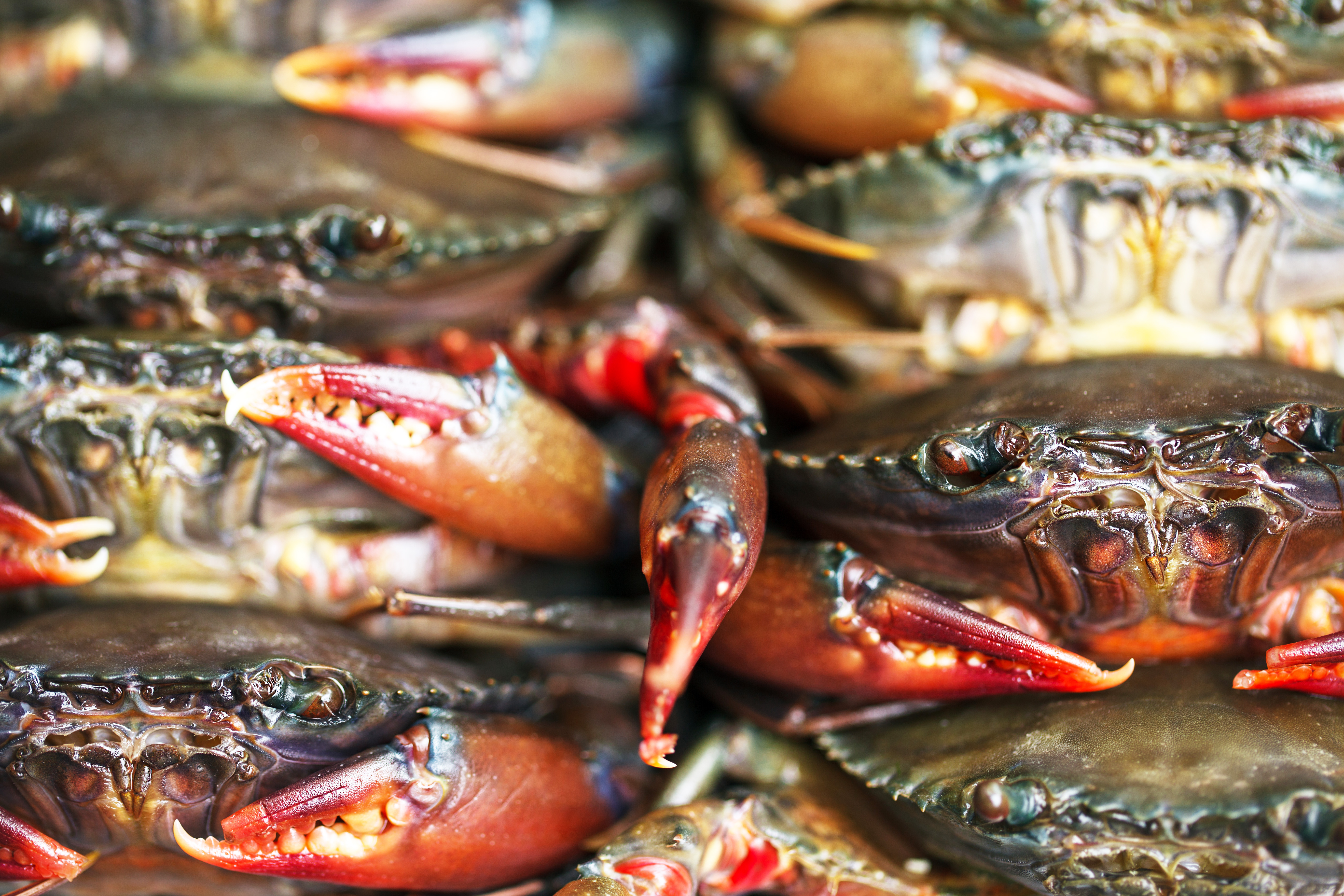
    And then, you cross over the tiny bridge to the island. And you see all the little houses that sit next to boats and crab pots. And the GPS shows that large blue area ahead of you that keeps crawling closer.

    Until you roll to a stop.

    At the end of the road.

  • How to pack a suitcase

    How to pack a suitcase

    bag

    I love the type of movie where there is a tortured soul, filled with wanderlust, who hears the call of the open road and decides to see the world. So he throws a few meager possessions in a small backpack and starts walking. He hitchhikes, he takes the bus, and he meets people along the way. Then we have scene-five. This will be after he arrives in a town — usually to help a rancher or struggling non-profit group out of a crisis — and he meets the girl. Scene-five will be their first date. You know the scene — the darkened restaurant, the candlelit tables, him in a suit and her in a dress, and as you watch, only one thought goes through your head.

    Really? You packed a suit in that small backpack? C’mon.

    This kid has a daypack that is half full. He carries it from New York City to Provo, Utah, and during that time he has six full changes of clothes, a suit, a raincoat, hiking boots, sneakers and during the date scene he is wearing an expensive pair of Italian loafers.

    No. You did not get all of that in your twelve pound pack.

    But that’s what we want. We want a bag to be light and small, yet we want it to contain a never ending supply of clothes, coats, shoes, formal wear and a few books — just in case we get bored. We want it to be our house — in a bag.

    Type of travel

    There are two basic types of travel packing. You are packing for weight, or you are packing for content. You can’t do both.

    If you are going to be in three different locations over four days, if you are going to be carrying your bag through train stations, airports or have it on your back most of the time, then you want the bag to be the smallest and the lightest possible.

    But if you are going to one location and then back, then you want your bag to contain everything you need, or will ever need, for a specific time period. You want maximum content in a limited space.

    The suitcase laws

    Half of everything in your bag you will use.

    A quarter of everything in your bag you will not use

    And a quarter of items that you end up needing — you forgot to pack.

    Staging

    Most of us pack this way. We open the bag and start stuffing things in. When there is no more room, we’re done packing. But by staging, we can guarantee that we get everything we need.

    Spread out the bare minimum you need for the trip — the absolute least you will need. Pretend that this is all you are allowed to take and you could survive the trip if you only had that. Now pack it. When you’re done, the available space is what you have for everything else you think you’ll need.

    Over packing is a common — and sometimes costly — mistake. Pack too much and your free carry-on could easily cost you a hundred dollars or more in fees. Remember, laundromats exist in hotels, resorts and in every town or city you’ll be in. You can always wash clothing while you’re away.

    And remember if you’re going to be bringing things back — souvenirs, clothing, items purchased while away — you’ll need space for that.

    Rules of the road       

    Try to bring one belt if possible — something that can be used for both casual and dress.

    Try to bring two pairs of shoes — or if needed the pair of shoes your wearing, one extra pair and a pair of sandals. No more.

    HOW TO PACK A SUITCASE:

    1. Use the roll-up method. By taking your clothing — shirts and pants mostly — and rolling them in a tight tube, you can get the best use of space in your bag
    2. Underwear. Pack one pair for everyday your away, plus one extra pair. No more.
    3. Wear the same clothes on your way out, as you do on your way back in. This will save you one change of clothes.
    4. Toiletries. Clean out your toilet kit before you leave — otherwise you’ll be carrying those free shampoos and conditioners you had to have from the last trip out, and then back home again. And if flying, remember the TSA regulations of liquids being 3 ounces or less — unless you are checking your bag.
    5. Pack for the weather. The forecasts for your location could change a dozen times before you get there, but it doesn’t hurt to have a rough idea of what the weather will be like so you can pack accordingly.
    6. Fill your shoes. Pack socks and underwear in the shoes that will be in your bag. This is wasted space so fill them up.
    7. Fill the edges of your bag first. Again, this is where pockets of wasted space often hide, so fill that in first.
    8. Use the outside pockets for items you’ll want to get to quickly: phone chargers, books, magazines, etc.
    9. If checking a bag it’s a great idea to fill your carry on with all you’ll need to survive a few days — contact lens stuff, change of underwear, toothbrush, etc. That way if your bag gets lost you can stick with the plan while they find it and get it to you.
  • The 10 most amazing abandoned places of the U.S.

    The 10 most amazing abandoned places of the U.S.

    abandoned

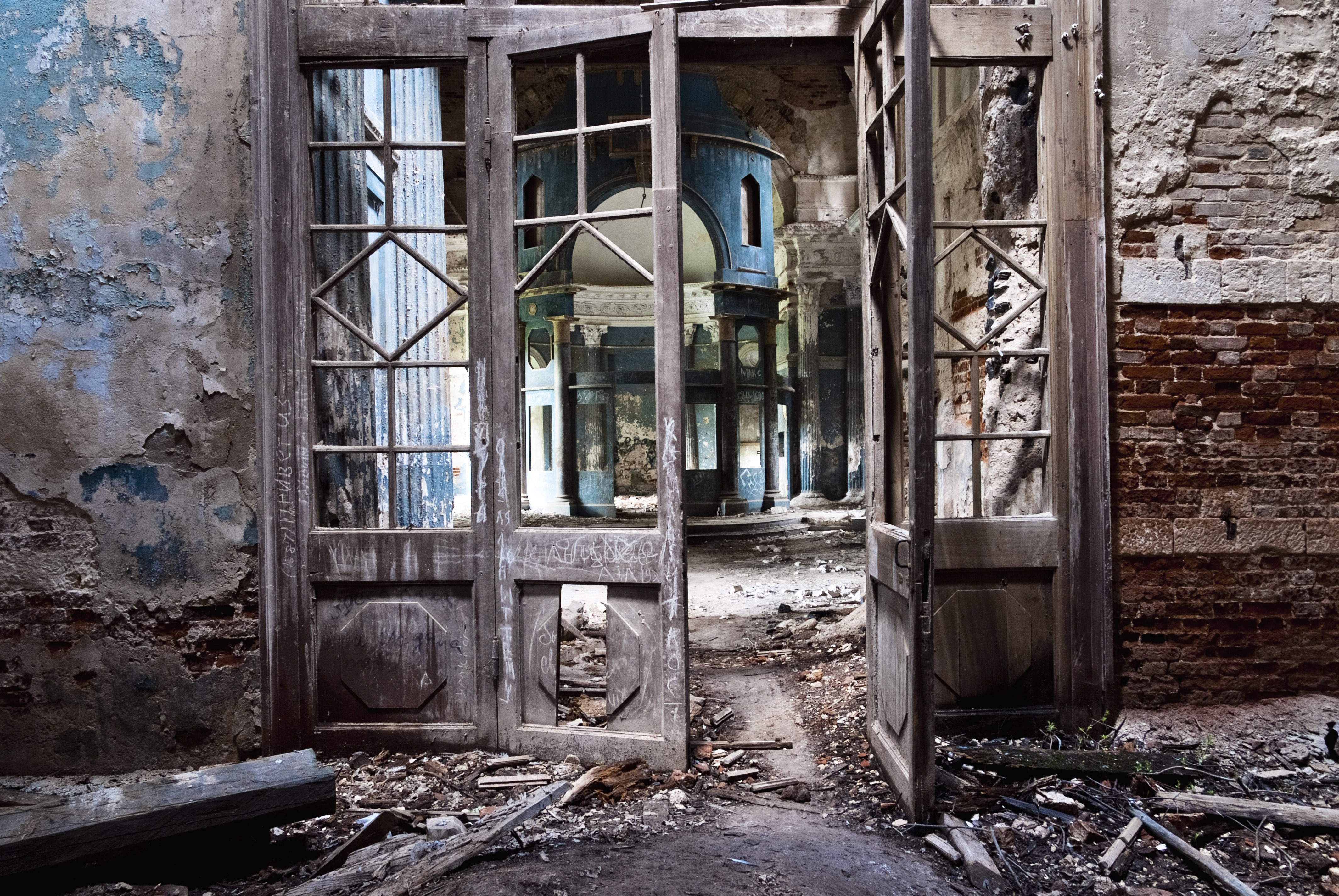
    They’ve always amazed and intimated us; those great empty houses, abandoned factories and forbidden structures that lie just beyond the fence. The ruins of a previous time. There are so many to choose from but here are our top 10.


    10. Glenwood Power Station, Yonkers, NY

    On the banks of the mighty Hudson River, the closed Glenwood power plant closed in the 1960’s and is an abandoned industrial monster in one of the larges cites in the world. .


    9. Fort Caroll, Baltimore, MD

    You can see it as you drive across the Francis Scott Key Bridge, A weeded island on the water, that was once a defense against possible attack during the Civil War. The irony is that so many generations of birds have made the fort their home that it is now protected from development by US environmental law.


    8. Mispillion Lighthouse, Mispillion, Delaware  

    Built in 1831 it served until 1929, when it was deactivated and replaced by a steel tower at nearby Cape Henlopen. The lighthouse had fallen into an extreme state of disrepair, and was considered by Lighthouse Digest magazine to be America’s Most Endangered Lighthouse.


    7. Francisco Morazán shipwreck, South Manitou island, Michigan

    Wanting to make one last trip before winter, the Francisco Morazan left Chicago on November 27, 1960 bound for Holland. Blinding rain and snow forced the shop aground at of South Manitou Island. The crew abandoned ship and was taken by the ice-breaker Mackinaw to Traverse City. The owners of the ship could never be found and nothing was done about removing the ship.


    6. Michigan Central Station, Detroit, Michigan

    Built in 1913,  it was the tallest rail station in the world. By the late 1970s, it was falling under disrepair and the last train left the station in 1987. Restoration projects and plans have gone as far as the negotiation process, but none has come to fruition.


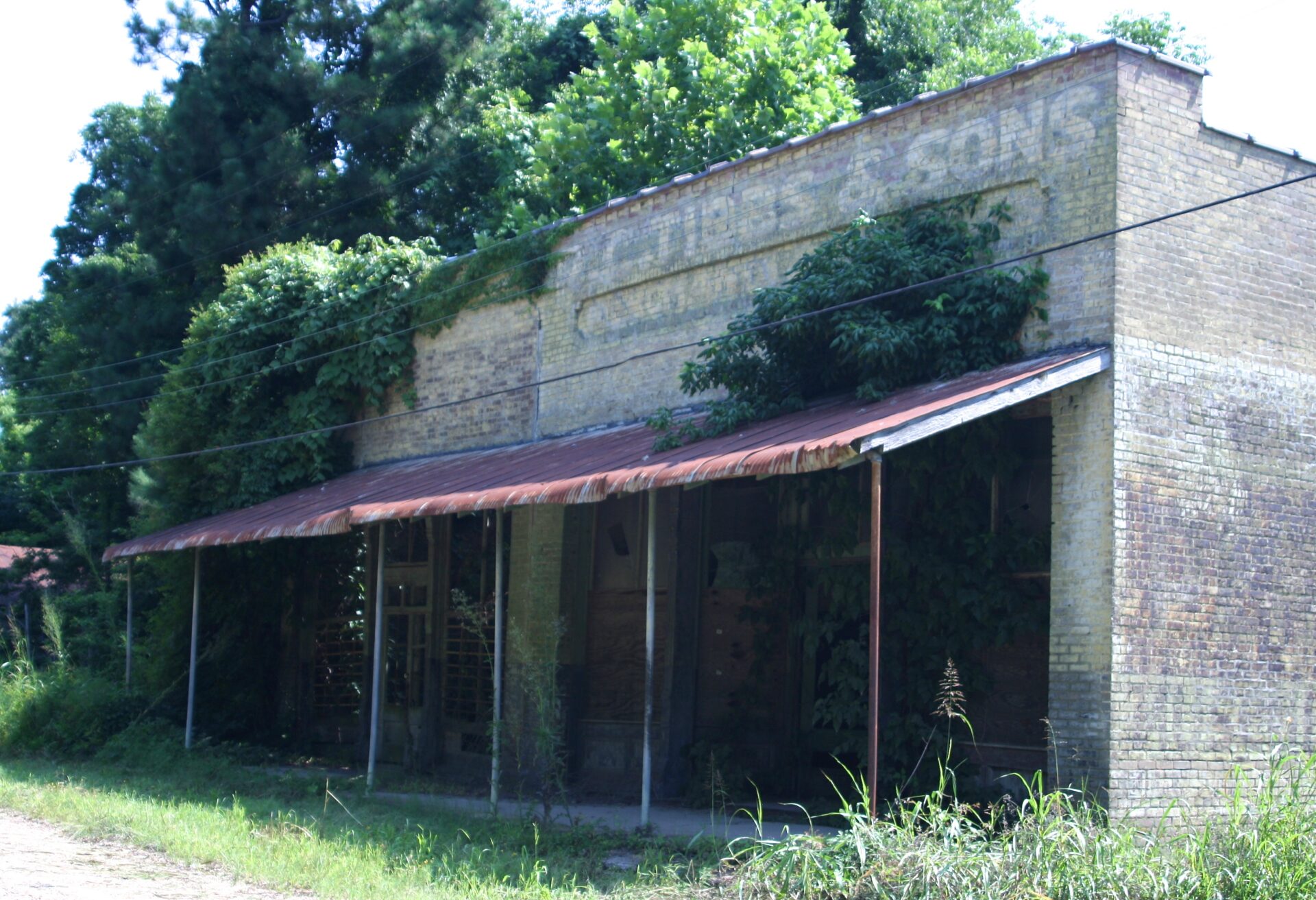
    5. Hushpuckena, Mississippi,

    Hushpuckena is a small community of abandoned buildings that lies behind Highway 61 north of Shelby, Mississippi. that includes stores and a small hospital. Old clothing an still be found in the stores as well as piles of medical records from in the small hospital.


    4. Chippewa Lake Park – Medina, Ohio

    Chippewa Lake Park was an amusement park that operated from 1878 through 1978. It was closed due to lack of attendance. The rides and structures were left largely untouched and unmaintained for almost 40 years.

    3. Brookfield Air Force base, Brookfield, Ohio

    Brookfield Air Force Station was opened in 1952 as a Ground-Control Intercept and warning station.  The squadron’s focus was to guide interceptor aircraft toward unidentified intruders picked up on the unit’s radar scopes. It was closed in 1983 due to budget cuts.

    2. Roseville Prison – Roseville, Ohio

    The prison at Roseville is just across the county line Muskingum Ohio. Good behavior inmates were sent there to work in the ovens and make bricks. The prison was closed in 1977.

    1. Palace Theatre. Gary Indiana.

    The Palace Theater was built in 1924 and featured live stage shows, vaudeville acts and motion pictures. But when the US Steel plant went into decline, so did the town. The theatre closed in 1972 and has been abandoned ever since.

  • Couch surfing

    Couch surfing

    couch

    The process of personal travel — whether it’s a European tour or a weekend getaway — is all pretty much the same. The location doesn’t matter. The time of year doesn’t matter and neither does the budget — you could have a thousand dollars a day to blow or you could need to stretch a few bucks for the entire week.

    Whether New York or Paris; whether it’s a cruise to the Bahamas or a camping trip in the Adirondacks; the process, the plan, the results, will always follow a specific path. The core will remain constant which means the results will be similar.

    Here is an example.

    Let’s say you’re taking a trip to a place that you’ve never been. You arrange transportation. You pay for a place to stay — a hotel room, a houseboat, campsite, it doesn’t matter. You research things to do and see while we you are there. You arrive and you head out to do and see as many of those things as possible in the allotted time you have.

    Now, when the trip is over, this is what will have occurred.

    1. The place you stayed during this trip will most likely be your biggest expense, transportation often being a close second, which means that you are paying someone to allow you to sleep
    2. Since you’ve never been to this location before, you are relying on guides, websites and reviews to guide you to locations and activities that are in the business to get you to their service or their location.

    So this means that, in theory, three different groups can go to, let’s say New York City, at different times of the year, from different locations and stay and different places. And they could all come home with the similar photographs in front of the same areas of the city and — and here’s the big part — probably not have any experience that involves other human beings besides the ones that they went on the trip with,— or developed new relationships with anyone other than those they traveled with — in spite of the fact that they are in a city of nine million people.

    Oh sure, they’ll have a great story about the waiter and that couple they spoke to on the bus, but pretty much all their photographs, all the video, all the Facebook posts will be of the group they went with; seeing the places someone else wanted them to pay along with the standard tourist attractions.

    Okay, so here is option two.

    You decide to go to a place that you’ve never been to. You make contact with a person, family or couple that have the same values as you, the same interests, who live in the place you want to visit and who love having house guests. You visit their home — as their guest, at no charge — and they show you the area from the perspective of someone who lives there. Sure they take you to the touristy areas but also to the local haunts that you would never find on your own. They introduce you to their family, to friends, to coworkers and you have a trip that not only involves a new place but a new group of people that you didn’t start out with. Which means this set of photographs, these pieces of video and these Facebook posts will be completely different than the first group.

    Oh yeah I forgot — and since you’ve taken lodging out of the budget this trip could cost half of a traditional one.

    And then let’s flip that. What if you found a person, family, couple who had the same values as you who wanted to visit your area from a different country, different city, or different coast. Think about how unlike the average week it would be at your home if you had someone from France, Belgium, Africa, the Netherlands or even just another part of the country, staying in your guest room or crashing on your couch? And what’s interesting about that is that most people have only a few weeks of vacation but by having people stay with you, you in effect have a vacation with each batch of visitors.

    And yeah, I know, it’s not for everybody. And yes, you’re right, there is some safety and background steps that are built into the process and absolutely you need to take precautions, but this option, this manner of travel — changes everything.

    This is called Couch Surfing — or hospitality exchange or it has many names with many different databases to choose from. And it makes travel an adventure — and a low cost one — rather than a destination. (Oh, and even though it’s called hospitality exchange there is no requirement to host in order to be hosted or visa versa. You can just travel or you can just host or a mix).

    Which brings us to Kenny Flannery. Kenny is a young man who in 2007 decided to walk away from his New York City office job and see the world and for seven years he has been hitchhiking, bumming rides and sleeping on strangers couches all over the country and parts of the world. Now Kenny is the extreme example of this but it does illustrate that the guy without a job probably has been to most of many of the places on your bucket list.

    Why?

    Because money has nothing to do with travel. Absolutely nothing. And by tapping into this worldwide collection of people who just want to meet you — it changes everything.

    Couch surfing website —- http://about.couchsurfing.com/about/

    Kenny Flannery’s site — http://www.hobolifestyle.com

  • REVIEW: The Anchor Bar, Home of the Original Chicken Wing

    REVIEW: The Anchor Bar, Home of the Original Chicken Wing

    wings

    Dover, Delaware — the smack-dab center of The First State — is a small city of about 40,000 people. It’s the capital of Delaware, the home of the monster mile NASCAR track, and is part of the Delmarva Peninsula — a massive stalactite of land that hangs down between the Delaware Bay and the Atlantic Ocean.

    Now, if you have ever have the chance to visit our fair town, you’ll be able to see all of it pretty quickly — visit the nearby beaches, take pictures of the track, walk through the historical sites. Those are fine and dandy, but what truly makes Dover great are the subtle cultural differences of our city.

    For example, the law that requires a driver to pull over when an ambulance, fire truck, or police car have their sirens and lights on, doesn’t apply here — I mean, the law does apply, but it’s a silly law and no one knows about it. In fact, if you are ever in Dover and do see an emergency response vehicle behind you  — sirens flashing and horn whaling — just do what we do. Bear down and protect your road space — that obnoxious truck can go around you if he’s in such a gosh darn hurry.

    Because in Dover, we have our own way of doing things. For example, we never say goodbye. In fact, we don’t ever end a conversation at all. Let’s say you run into someone you know in a store or on the street. You’ll stop. Say hello. Talk for a while. And then, when the conversation is slowing down — this is the part where you other people say, talk to you soon, or see you later — we just walk away. Then months later, when we run into that person again, we can start the conversation right where we left it.

    And because Dover is a military town, if you are ever at a Little League game or a Caesar Rodney Basketball or Football game, you will experience a reverence during the national anthem like you have never seen. Once the sound of the swoosh of hats being pulled off is over, the silence that will fall will simply hold you.

    But one of the great paradoxes of Dover life involves the food. It’s…well…it’s bad. No that’s a lie, it’s gawd-awful. But this actually turns out to be a good and a bad thing. It’s a bad thing that it’s so terrible. But it’s a good thing because no one knows it.

    We have very few independent restaurants in Dover, and we have every franchise that’s ever been in existence. It’s all we know and it’s all we compare to. Is the pesto grilled chicken at Olive Garden better than the pesto grilled chicken at Applebee’s? Hmmm?

    [amazon asin=B006UU07MA&template=iframe image][amazon asin=B005Z492PU&template=iframe image][amazon asin=B0000DDU2S&template=iframe image][amazon asin=B000V1H0D8&template=iframe image]

    Which brings us to the chicken wing. Many people believe that a chicken wing — simply a wing, deep fried and covered with sauce — is a chicken wing. Many people believe that these are easy to make and hard to screw up. They’re all the same, right? Worse yet, people even believe that wings at Buffalo Wild Wings, Hooters, or TGI Fridays are real wings.

    Well, I’m here to tell you that these people are wrong — and probably communists.

    If you have never been to a little independent bar or restaurant — and this is where the magic happens, a place where the kitchen can be creative and not follow a franchise recipe — and you have never tasted a great chicken wing then it’s easy to think this. Sure, there is some comfort in not knowing. But, you have a hole in your life that needs to be filled.

    When I was twelve years old I got glasses for the first times. I was sitting in my mother’s car after the doctor’s appointment and I put the glasses on. I can still tell you — forty years later — how my world went from fuzzy and foggy to crisp and in Technicolor in seconds. Pow. But before this moment, I never knew the world was like this. I didn’t know what I was missing. It’s the same with a great chicken wing. Your world will never be the same.

    The history of the chicken wing began on a Friday night in 1964 in a place called The Anchor Bar in Buffalo, NY. Now the story is a little unclear of whether Dominic Bellissimo — the son of the owner, Teressa Bellissimo — was returning from college that night or was actually working the bar. But what is known is that when Dominic’s friends got there, they were all very hungry. So Dominic asked his mother to cook them something. Teressa went into the kitchen and found some chicken wings that were there to make stock. She deep fried them, covered them with a hot sauce mixture, and served them. They were a hit, and Buffalo chicken wings were born. (No, the name has nothing to do with the endangered, horned animal of the great plains.)

    And now, fifty years later, you can have Buffalo wing potato chips and Buffalo wing pizza.

    So the question is, does the birthplace of the chicken wing make the best chicken wing?

    The answer is yes. Yes it does.

    And no.

    Being brought up in upstate New York I have had some great chicken wings in my life, made by some great chicken wing masters. And I will tell you that the wings at The Anchor Bar — the original site on Main Street in Buffalo — are absolutely the best I’ve ever had. Bar none.

    They are crispy, but moist. Flavorful and rich. And the sauce…all I can say is wow.

    Yes, The Anchor Bar makes the best wing.

    But, big stipulation here, only at their original location.

    Recently, The Anchor Bar has expanded and now has several locations; at the Buffalo Airport and other locales across Western New York. I’ve eaten at a few of them and the magic is just not there.

    Now if you travel to Buffalo, you will hear some smack about a place called Duff’s and there is a pretty heated rivalry between Duff’s and The Anchor Bar for the best Buffalo chicken wing. So, I’ve eaten at both and my vote goes to The Anchor Bar, hands down. The sauce at Duff’s is hotter — and I always order my wings suicide-style — but making a sauce hot is not a difficult trick since there are so many pepper extracts on the market.

    So the best chicken wing in the country — and possibly the world — goes to The Anchor Bar.