Category: Family Life

  • The art of the picnic

    The art of the picnic

    Once spring hits and then all through summer, everywhere we go we see people having picnics.

    In movies.

    And on television.

    But in real life — not so much.

    Here, in the actual world, a true picnic sighting is pretty rare. In fact, it’s up there with finding a working payphone or a thriving drive in theatre. I mean, once in a while you will see one. But not all that often.

    Now, we see people eating outside, al fresco, all the time. The office worker driving to a park to eat their Burger King meal #4 on a picnic table with a paperback opened. Sure. And the road crew at a rest stop throwing back a few sandwiches and gallons of store bought ice tea. Yup. But these are what we call — not-picnics. They are just — eating outside. And they don’t count.

    Picnics have been around forever, but they didn’t have an actual word to describe them until the 17th-century. When the French word ‘piquenique’ was formed — which took the verb ‘piquer’, meaning to pick, along with a silly rhyming syllable, ‘nique’. So the alteration of the word followed the same rule and it became — pic-nic.

    Originally, the picnic was a large outside pot luck for the gentry, with each guest expected to bring a dish to share. These were elaborate, society events, which lead to those who were involved in them to be referred to as — the picnic-society.

    From there, the picnic took it’s true form.

    As travel became more common — first with the horse and carriage and later with car — the picnic became a large part of the trip. As you traveled, the need for food on the way would need to be planned in. A trip to visit uncle Earl’s in a neighboring town a few hours away, would require you would to prepare the food — the roads weren’t always paved with drive-through’s and bargain meal deals. So, the picnic became part of the excursion. A piece of the adventure. Halfway through the trip, you find a field or a pond, or a meadow, to spread your blanket out and bring out the basket. The kids would bring a ball, or maybe a kite, and the event, would now have another event in the middle of it. You would stretch your legs, relax and recharge before getting back in the car and continuing.

    And that’s what a picnic is. An event. Not just eating — because we do that all day long while we do something else. We eat while we drive. We eat while checking our phones. We eat while watching television. We eat and don’t even notice that we’re eating.

    So what makes a picnic, a picnic?

    Okay, that’s easy. A picnic has a few fundamental aspects of it.

    1. It has to be outside. An inside picnic is called — lunch. It doesn’t count. And a picnic should be in a unique outside area — a park, a lake, a field and even a picnic area at a rest stop counts.

    2. It is held on a blanket or a picnic table. Period. You can’t have a picnic on camp chairs while setting paper plates on your lap, while leaning against the car, inside a food court, or inside the car. This is called — eating. It’s not a picnic.

    3. It should not contain store-bought food. Picnic food can be extremely simple and easy to prepare, but it has to be yours. It has to have your fingerprint and design on it. The only exception to this rule, is if you bought a rotisserie chicken — not a fast food chicken — and then prepared sides for it. There is something about cold chicken on a picnic that just fits.

    4. It has to be cold food. Cooking a meal over charcoal is incredible, but that’s not a picnic. That’s a cookout. And if you are fussing with the fire and getting burgers to cook just right, then you are missing the very crucial element of the picnic. The people you are with and the area you are at.

    5. And it has to have some recreational aspect to it besides the meal. Picnics are not to be rushed, but to be enjoyed, even if that recreation is just sitting back after the meal and talking, playing cards or a board game, throwing a frisbee or playing a harmonica — which is why free community concerts are ideal places to hold picnics. Because the entertainment aspect is already provided.

    As far as picnic food, you can be as elaborate as you want, but the real aspect of it is to be simple. Simple food to be enjoyed leisurely. Boiled eggs, cheeses, peperoni, hard crusted bread, cold chicken, pickles, olives, pasta salads, grapes, all make amazing and simple picnic food.

    So plan a trip. And a plan a picnic smack dab in the middle of that trip. Make it a priority to skip the eleven-dollar hotdog at the water park and pull the kids over to the picnic area instead and open the basket.

    You heard me.

    Go have a picnic.

  • The bomb shelter diet

    The bomb shelter diet

    bomb

    Klaus Fuchs was extremely smart.

    He was born in 1911, in Rüsselsheim, Germany, and from a very young age demonstrated a clear gift in mathematics and the sciences; breezing through his primary education and then being accepted into The University of Leipzig.

    Klaus studied mathematics and physics at the University, and this is where he first became involved in student politics; joining both the Social Democratic Party of Germany, as well as the Reichsbanner Schwarz-Rot-Gold, the Communist Party’s paramilitary arm.

    Now, while Klaus was still in school, on February, 27, 1933, a Berlin fire station received an alarm for the German Parliament. They quickly responded and found that the entire Chamber of Deputies was engulfed in flames — and because of the size of the fire as well as its political location, arson was suspected. So fireman fought the fire, while the police surrounded the complex to look for evidence.

    What they found, was Marinus van der Lubbe, a young Dutch Communist, inside one of the buildings. Lubbe was arrested and confessed to being involved in the arson. Soon three other men were arrested — Georgi Dimitrov, Blagoi Popov and Vasil Tanev — all Communist Party members and all confessed to the crime. They were tried and later executed.

    The event became known as, The Reichstag Fire, and here is where things really get interesting. Only a month before this, a man named Adolf Hitler had been sworn in as Chancellor of Germany. Hitler was outraged at this attack, and saw the fire as solid evidence that communists were plotting against the German government. Hitler urged President Paul von Hindenburg to pass an emergency decree that would suspend all civil liberties in order to counter this ruthless hostility. He did. And when this occurred — Nazi Germany was born. Almost overnight, the Nazi Party went from a political entity, to a dictatorship. With Adolf Hitler at the wheel.

    So the question is, did Hitler orchestrate The Reichstag Fire?

    Well historians have been trying to prove this for decades without much luck. It’s very possible that he did. And it’s also possible that he only took advantage of this opportunistic moment — to use fear as a vehicle to seize control of the government. But either way, Germany quickly become a Nazi controlled country, as well as one where being a card carrying Communist, could be extremely dangerous. So Klaus Fuchs went into hiding until he could get out of the country later that year.

    In September of 1933, Fuchs fled to England where he worked as a physics research assistant at the University of Bristol, and in 1937 he received his Ph.D. in physics. After this, he worked at the University of Edinburgh, where he earned a second Ph.D. in Science.

    Then World War II broke out.

    After spending some time in Canada, Fuchs returned to England where he began working on The Tube Alloys Project — England’s covert atomic bomb group. And this is where Fuchs began his career as a spy. He immediately began passing detailed information on the project, directly to The Soviet Union.

    In 1943 Fuchs went to New York City, to work on the Manhattan Project and then in  1944 to the Los Alamos Laboratory — where he developed the calculations relating to the first nuclear weapons as well as early models of the hydrogen bomb.

    Then came Hiroshima and Nagasaki and the end of the war. Klaus returned to the UK and worked at the Atomic Energy Research Establishment as the head of the Theoretical Physics Division.

    Five years later, on January 31, 1950, President Harry Truman announced his decision to develop The Superbomb. A hydrogen weapon that would be one hundred times more powerful than the atomic bombs dropped on Hiroshima and Nagasaki — with Klaus Fuchs having a front row seat to the project. And on November 1, 1952, the United States successfully detonated Mike, the world’s first hydrogen bomb. This ten megaton thermonuclear device, was detonated the Pacific Marshall Islands — it vaporized the entire island and left a mile long crater behind.

    Fuchs’ luck ran out later that year.

    While passing some sensitive information to a Soviet contact, American intelligence followed and arrested him. He was questioned and confessed; which led to his trial and eventually lead to him being sentenced to fourteen years in prison. But the damage had already been done — the Soviet Union now knew everything we knew, about the hydrogen bomb.

    On November 22, 1955, the Soviet Union detonated its first hydrogen bomb; based on the same principle of radiation implosion as Mike —- with the same results.

    Which meant that both superpowers were now in possession of what had been called — the hell bomb.

    Two of the most powerful nations in the world, both had a weapon that could kill millions on both sides. And they didn’t like each other very much.

    The US announced that it would use massive retaliation to any Communist aggression, and for the first time in history, the world lived under the threat of thermonuclear war.

    Movies, films, books, television, newspapers — all echoed the fear of nuclear obliteration. And on October 6, 1961, President John F. Kennedy addresses the American people, and asked them to — build bomb shelters to protect themselves and their families against nuclear fallout.

    The President of the United States — one of the most powerful men in the world — asked his people to — dig a hole and get ready to hide in it.

    It wasn’t now a question of — if it would happen — it was now — when would it happen.

    Bomb shelters began to pop up everywhere. These ranged from a corner of the basement, built up with sandbags and food and water, to elaborate underground rooms with ventilation and water purification systems.

    Civil Defense agencies provided canned drinking water and water packaged in milk cartons, to citizens. Fallout drills were exercised in schools and public buildings. We were preparing.

    We had a plan and we knew where to hide and wait it out. And we had a stockpile of the basics — canned goods, dried goods, food stuffs, water. We just wanted to survive. That’s all. Nothing fancy. We just wanted to — live.

    And we waited.

    And we watched.

    And the bombs — never came.

    And that was good.

    And the bomb shelters remained unused. And then they became root sellers and playhouses and storage. And that was good too.

    But along with all that good —- came one bad thing —.


    WHAT IS A BOMB SHELTER?


    A bomb shelter is a safety net. It’s a place where the basics can be taken care of. It’s the fallback plan. The retreat point. It’s a ready area  where you and the people you care about, can go to get the basics taken care of and to be safe.

    Talk of bomb shelters today are rare, unless you are referring to the trend of Doomsday Prepping or simply Prepping.

    Prepping is similar to the movement of bomb shelters in the 1950’s and 1960’s, in that it is the preparing for a particular disaster to occur — a governmental collapse, massive chemical warfare, an electromagnetic pulse that will wipe out all electronics — but there are two main differences between preppers and those who built bomb shelters during the cold war.

    The first is, that modern prepping is more individualistic and less community based. You see evidence of this in that during the cold war, the list of items to include in your shelter contained many things, but weapons were never one of them. With modern preppers, weapons and ammunition are high on the list — in fact, many preppers have small arsenals set aside to protect their stockpiles.

    And the second difference is, that the modern day preppers are almost hoping that the disasters they are preparing for will occur. They are highly invested in them. So when the government does collapse, when modern currency no longer has value, when the world is left unprotected and vulnerable, then we will be on top of the food chain — simply because we will have the most food, water and guns.

    So bad things can’t happen?

    Oh absolutely they can — and probably will. But you are much more likely to lose your job, than you are of having your home attacked by a biological weapon.

    You are much more likely to be in a car accident, be hurt at work, or have a major health issue, than you are of experiencing a governmental collapse.

    And you are much more likely to go through a career downsizing or industrial shift where your current skill set is worth far less than it once was, than you are of experiencing a nuclear attack.

    But all of these things are life altering — a layoff is not as sexy as an asteroid, but it can still do some damage if you’re not ready for it.

    It was good that cold war didn’t escalate to something far worse. But the casualty of that time period is that sense of preparation didn’t migrate forward. That sense of simplicity, of basic need, didn’t trickle down through the decades.


    MISSIONARIES


    Many years ago, a missionary couple from Africa was traveling through my hometown and was going to speak at our church. While they were there, my parents had them stay with them and while giving them a quick tour of the area, my mother stopped at the small grocery store to pick a few things up. In one of the aisles, the man just stopped talking. He froze.

    “What —?” he asked, pointing at all the colored jars. “Is this?”

    My mother looked to where he was pointing and answered. “Jelly,” she said. “And jams.”

    He stood there. Unable to take his eyes off all the different flavors, styles and sizes of jellies and jams.

    “Why,” he asked. “Would anyone need — twelve flavors of jelly?”

    And he wasn’t mocking her, he wasn’t judging her. He was only asking a question — to something that he couldn’t understand.

    Why would something as luxurious as jelly, something as rare as jam —- not a necessity but a true delicacy — why would you care, what flavor it was?

    But we do. We do care what flavor it is. And we care how much if it we have. And we care what brand it is. And what it looks like and how we look holding it.

    In Africa — food is survival.

    In Europe — food is social.

    In the US, food — has become something so much more.


    FOOD IRONIES


    • 32% of all homeless people, are obese. (Boston Health Care Study, 2008).


    • In a 2012 study, 42% of the time that we eat, was done because we are — afraid of being hungry later


    • 27% of all the food we buy, we end up throwing away — 160 Billion pounds of food each year in the US alone. And still, 75% of us are overweight and 36% of us are obese.


    • The average American spends three hours a month, staring into a refrigerator; trying to determine if he is hungry or not. And during peak times, we average fifteen to twenty minutes wait time to get into a restaurant. Yet — ‘not having enough time’ is listed as the key issue for most Americans.


    • A dinner in France averages two hours, and a dinner in the US averages forty minutes. Yet the obesity level in the US is twice of that in France.


    • A 2011 University of Michigan study asked, how long could a person live without food? The most common belief was — 37 hours. (With water a person can live three weeks or more without food).


    • The cost of eating one (1) lunch out, is equivalent to the cost of six (6) packed lunches from home. Yet the most common reason listed for people that don’t bring lunch to work is,I don’t want to look poor.


    • A Cliff energy bar has 280 calories. A Snickers candy bar has 215.


    • 23% of all high income homes, eat at a restaurant once a day. 78% of all low income homes eat at a restaurant once a day.


    • The average food markup at a restaurant is 300% — for a meal priced at twenty dollars or less. The average food markup for fast food is 400% — for a meal priced at six dollars or less.


    • We are seven times as likely to eat at a restaurant, then we are of inviting someone to our home for a meal, or to going to someone’s home for one.


     THE BOMB SHELTER DIET

    A bomb shelter is safety. It is a vessel that contains the basic needs — food, shelter, water, medical supplies.

    The food in a bomb shelter will have several things in common.


    • It will be able to be stored for a long time — rice, pasta, oats, dried beans, can all be stored for thirty years or more.


    • It will require no refrigeration.


    • It will be able to be cooked in a creative and unique way.


    • Each meal will cost pennies.


    • It will contain little chemicals and preservatives since it will contain the basic food groups.


    STEP ONE: The Bombs fall


    The alarms sound. The bombs are coming. This is it.

    When crisis occurs — when something bad happens — we react. We get the people we care about to safety and we get out of danger. At that point we are focused on survival and protection and we will allow nothing to get in our way.

    Think of a time when a crisis unexpectedly occurred to you — the sudden death of someone close to you, a fire, a car accident, a layoff; any catastrophe that happened s quickly and without warning. When this happens — in the heat of the battle — were you thinking about food?

    You could be starving only a minute before the truck veers into your lane — thinking you can barely wait until you get to the drive thru — and then wham. Six hours later you remember that you haven’t eaten.

    What happens when you realize that you haven’t eaten? You are suddenly hungry again. Starving.

    How many times do you see photos of people outside of their burning building with a cheeseburger in their hands? Or being treated by paramedics as they grab the last of their fries? Never. Because at that point, food is not important. At all.


    • Make a list of ten (10) things you are worried about, trying to get to, concerned with or trying to achieve. These can be work goals, financial worries, family situations, or aspirations. When you have this list, keep it close to you; on your phone, in your bag — so you can get to it quickly, review, edit and add to it.


    • When between meal hunger hits, take thirty minutes — this will seem like a lot at first, but it will fly by later — and work only on this list. Make phone calls, contact whoever you need to, create options, but for thirty minutes you are only focusing on these bombs; these goals, these little issues that could become large, or these large issues that you have been avoiding.


    • Don’t set a timer — because you want to keep this flexible — and allow your focus to shift to what is truly important. But don’t stop until you have done at least one thing, one action, towards everything on that list.


    •  A few things are going to happen here. First, you are forcing yourself to see what is important, as well as what isn’t — getting food quickly into your mouth. The second is that you are reducing your appetite — which gives you freedom, which takes away the anxiety, which diffuses the food bomb.


    Now this goes directly against what many nutrition experts recommend — suggesting five or more little meals a day as opposed to three larger ones. But we’re not focused on nutrition, we are looking at why we do things. And the majority of time we overeat, we do it out of reflex or boredom.

    Sure there is the Thanksgiving dinner that we push ourselves back from the table and vow to never, ever eat again. But more often there are the dozens of times we finish an entire bag of potato chips in the car and not only don’t remember eating it, but are still hungry.

    We have made food important in our lives. We have made it more important than our families, than our homes, than our careers and then our goals. We need to analyze things every now and then, so we can prioritize.


    STEP TWO: Protein pack


    In a bomb shelter you will see a lot of rice, grains and pasta. That’s true. These are inexpensive, easy to store and last forever. But you will also see plenty of dried beans,   canned tuna and Salmon — because you need the protein. The starches are largely there to stretch out the meal — to make it last and to fill you up.

    Sugars and starches are cheap — that’s why they are in everything. These are the foods that stimulate insulin, which sends the signal to store fat in the body. The more starches and sugars you take in, the more fat that gets produced. And when insulin levels goes down — when we take in less sugars and starches — then more fat gets burned than is stored.

    The irony here is, sugars and starches make you hungry and proteins make you full. So you can actually eat less protein and feel better.

    We have bought into the fact that we need to stretch meals — to add in the majority of pasta, rice or grains to make it last. We feel like we are spending too much money if at least half of the meal isn’t a starch.

    So reverse the trend. Instead of the majority of the meal being starches or rice, make the majority of them the beans, eggs, fish or chicken. Eat more protein than you eat anything else.


    STEP THREE: Bomb shelters are for many


    The majority of time that we eat — we eat alone. Even if we’re in a separate room in a house full of people, we are still eating alone. And eating should always be a communal event.

    Add to that that we eat less — when we eat with others. European meals last for hours, with the majority of this time is spent laughing, visiting, talking and having fun. The smallest part is actually the eating part.

    So don’t eat alone. And I mean — ever.

    That may seem crazy, but think about it.

    If food goes back to being a communal event, something we do with others, then a major shift occurs. Instead of saying — what do I want to eat? We begin saying — who do I want to eat with?

    And remember, a meal is simply food shared with others. It doesn’t have to be a five course meal on Waterford china, it can be a few tuna sandwiches on paper plates.

    Take two weeks and vow to eat every single meal with someone else — and this includes eating in front of a TV alone, in your car alone, or picking out of a refrigerator alone.

    If you can’t find someone to share a meal with — then don’t eat until you do.


    STEP FOUR: Stock the bomb shelter


    When the bombs of life do fall — health issues, layoffs, downsizing, family crisis — having a stockpile of basic foods takes a financial and time burden off of you. For less than a hundred dollars, you can have a several months’ supply of dry goods stored and ready.

    The basics would include:

    • Dried beans — lots and lots of them. These are extremely inexpensive, easy to make and loaded with protein.


    • Canned tuna


    • Canned salmon


    • Canned chicken


    • Pasta


    • Rice


    • Cornmeal


    • Flour


    • Canned vegetables


    • Canned fruit


    Stock these things and leave them. Use them when the end of the month rolls around and you’re creeping up on your budget, or when the bombs fall.


    AND REMEMBER …


    A bomb shelter is a plan. This plan can take any form; a room, a group of people or an idea. But it’s a plan to give you freedom and allow you to think while the basics are taken care of.

    Food is not our bomb shelter.

    Food is just one of the many things we put in it.

  • REVIEW: Vacation Spot. Cambridge, Maryland

    REVIEW: Vacation Spot. Cambridge, Maryland

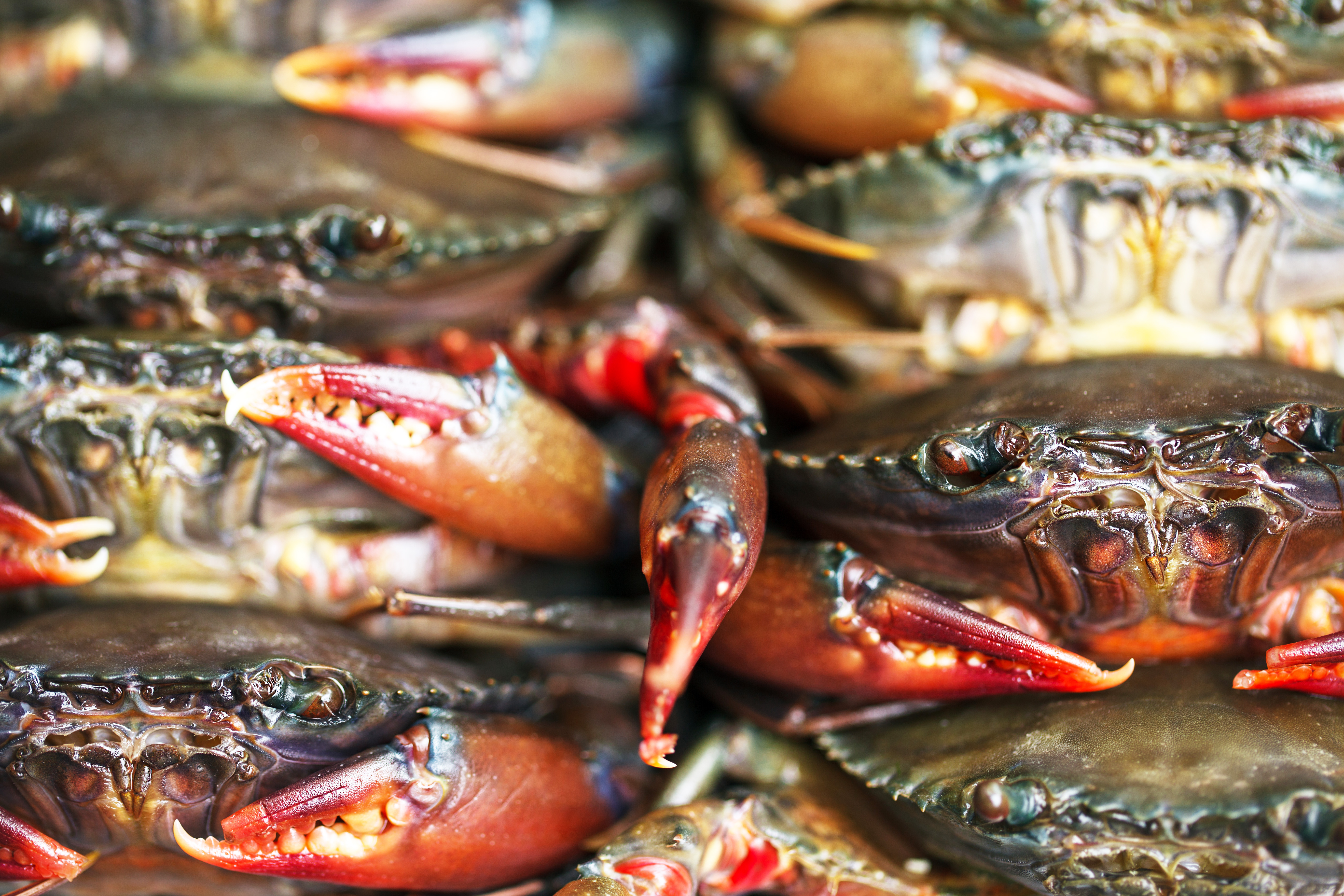
    crab

    My wife and I have never really been vacation people. Not really. I mean, we’ve taken a few vacations over the years. Well — one. We’ve taken one real vacation in twenty-three years. That’s one. We did that, airplane ride, baggage check, reservations through a travel agency, kind of trips when we went to Key West for a week. One time.

    And then when the kids came, we started talking road trips — too many to count actually. We went to museums, water parks, zoos, carnivals, cabins, cities, to visit family, beaches, battlefields. In fact, if it’s within eight or ten hours of us, we’ve been there. And we drove.

    So although we may not be vacation people. We are definitely road trip people. Which I think is just as good.

    And now that the kids are older, Debbie and I try to get away a few times a year, just the two of us. Someplace close — just a quick trip for a few days. And this past weekend — our anniversary — we went to Cambridge, Maryland.

    Now Cambridge, Maryland, is this quaint little, brick paved street, kind of town that sits between the mighty Choptank River — which is the greatest name for a river, ever — and the Chesapeake Bay. It has restaurants, shops, fishing, music, dinner cruises, golf and just about everything you would ever want in the entire quaint little town package.

    But — and this is where it sounds like a bad movie trailer — there is something a little off about the place.

    If you go to Cambridge, the trip will start like this. You’ll drop your things in your room and head downtown — to go to one of the great restaurants, shops or museums that you’ve heard about. And when you get there —.

    You’ll walk into a place that calls itself a wine bar. And you’ll see three bottles of wine sitting towards the back someplace.

    Then you’ll walk through another door that raves about homemade lunches and the lady will have to go and see if they still have a menu.

    Then you’ll decide to try that gastro pub that has such good reviews and you’ll find a dozen college kids drinking around some brewery vats.

    Nothing is how it seems — or how it’s portrayed.

    Now we are all accustomed to businesses, products and shops that exaggerate on what they have to offer — even the old bait and-switch — but here, it seems like the entire town is in on the deal. Every place is smaller, dingier, or in many cases just completely different, then you expect it to be. And the vibe is very odd too.

    In Cambridge, you will see Porsches — and not just any Porsches, models you don’t even recognize — parked next to old Buicks that know people are living in. You’ll see well-dressed tourists and right behind them you’ll see a group of people that spend entirely too much time looking in your car. And there is this extremely strong Stepford Wives kind of feel to the place. As if as soon as you drive out of site, someone will give the signal and they’ll fold it all up and set up shop somewhere else — so when the authorities get there they’ll be harder to find.

    Now if you leave the small downtown area and go the big Hyatt resort a few miles away, everything is clean and pretty and homogenized. Manicured lawns, a luxury golf course and beautiful people — we saw former Eagles player Vince Papale in the hallway. There is nothing strange — or actually interesting — about the place because it’s like all overpriced resorts. Scrubbed of any genuine feel and made safe and clean.

    Now with that said, if you do ever make it to Cambridge, Maryland, one thing that is absolutely a must is to take an hour’s drive from there to a place called Elliot Island. This is a tiny little patch of land — there are only a few homes, a fire station and a church there — but to get to it you’ll need to pass  through hundreds of acres of protected wet lands, and that’s the best part. You will drive for twenty minutes without ever seeing another car — and what few you do see, will wave to you as you pass. We saw bald eagles and huge turtles that sunned themselves on logs and acres and acres of wide open land — which is pretty rare in that part of the world.

    And then, you cross over the tiny bridge to the island. And you see all the little houses that sit next to boats and crab pots. And the GPS shows that large blue area ahead of you that keeps crawling closer.

    Until you roll to a stop.

    At the end of the road.

  • Father’s Day

    Father’s Day

    Larry

    When Edwin De Morier accidentally knocked the oil lamp onto the barn floor — this would have been in France in March of 1918 — it took only seconds for the flames to race across the straw and up the dry wooden walls. Within minutes the barn was ablaze.

    But during the confusion of battle, the fire was all the British and Americans needed to triangulate and regroup — it also increased morale when the three German soldiers that were hiding in the barn loft jumped out and surrendered.

    So could you say that my grandfather was a World War I hero? Umm, sure. Sure you could. And since the war was over nine months later, it’s obvious that Edwin’s contributions were a large part of the victory. A very large part. But it’s more important to note that the barn fire led to Edwin’s one and only nickname: Eddie Elbows.

    When Eddie returned home, he went back to his little barber shop in Afton, New York. And after watching Louise Kramer walk past his front window to the hotel she worked at each day, his newfound battlefield bravery allowed him to approach her and say hello — after 17 failed attempts. A courtship eventually followed and a year later Eddie and Louise were married. They moved into the three rooms above the barber shop.

    On February 15th, 1923, Edwin and Louise De Morier gave birth to their first child. A boy named Lawrence, but who would always be known as Larry. My father. Three years later their second child, Lyle, was born.

    Life in Afton was happy and carefree with the exception of Eddie’s emphysema, which began to become more and more chronic — leading the shop to be closed more than it was open. And when his clientele began to frequent more reliable barbers, the rare times when he could work Eddie was seeing less and less business. The family income was dwindling.

    In 1936, Larry came home with two announcements for his parents. The first was that he had quit school and the second was that he was now an employee of the D&H Railroad. And although Eddie Elbows and Louise weren’t happy about this, the family’s options were slim. So when he was sixteen years old — the same age that my youngest son is now — my father became the sole breadwinner for his parents, his 13-year-old brother, and himself. He’d be working alongside men, repairing rail, laying ties, and loading freight.

    When World War II broke out, Larry De Morier was one of the first in the area to receive his draft notice. He reported for duty, went through the physical, and after failing the eye exam miserably, the doctor asked, “Where are you glasses?”

    “Glasses? I don’t have any glasses.”

    “Well go get glasses ya idiot. Yer blind as a bat.”

    Larry was told to see an eye doctor for glasses and wait to be called back for active duty.

    The call never came.

    I often wonder how my father’s life, and ours, would have been different if he went to war. Would he have come back? Or when he did, would he have been more cautious? Would the events that happened to him later have not occurred or would his training have prepared him to defend himself?

    This major turning point, this single event, that changed my father’s life, occurred in July of 1955. Larry had walked his mother to the stands of the Afton Fair where a dog show was being held. He told his mother he would pick her up in an hour when the show was over and he left to explore the fairgrounds.

    If Larry had stayed with the crowd, if he had not walked in the alley behind the booths but down the midway or around by the animal displays, his life may not have drastically changed.

    But he didn’t. He walked in the dark alleyway between the games and the concessions. And seeing him take this path — and believing that the young man in a jacket and tie was much more prosperous then he really was — two unknown men followed my father down the fairground alley. They surprised him and beat him with a rock, crushing his skull and leaving him unconscious.

    They took everything of value that Larry De Morier had, which was four dollars and a tie clip. And when he recovered, they left him with violent seizures that he would experience for the rest of his life.

    Now, although the 1950s and 1960s are often remembered through fond nostalgic eyes, there are certain areas that are not as enlightened as you may think. Epilepsy was one of them. This was largely due to the common belief that the disease was a side effect of years of heavy drinking. My father, whose first and only drink was a glass of champagne at his brother’s wedding, was aware of this belief. He also experienced the first-hand fear on the faces of those who looked down to him when coming out of a seizure (on the rare occasions when he felt one coming on and couldn’t slip away quietly).

    His obsession for the next forty years would be to hide his epilepsy. He had worked on the assembly line at Borden Chemical for almost twenty years when he took the janitor position there, so he could easily slip away to the janitor’s closet when he felt a seizure coming on. And he even hid it from my mother; they had been married two months before she saw the first seizure.

    My father turned down promotions and he declined other job offers because the risk of exposing his illness was too high.

    On November 25, 1964, a month before my second birthday, Eddie Elbows died. My father would stop by his mother’s house every day after that to check on her, never missing a single one for the next three years until she died.

    Growing up, I didn’t see any of this. I just saw a man that I was embarrassed by. A man who couldn’t throw a ball or shoot a basket, because he was driving railroad spikes at the age when you learned these things. A man who was getting drastically older than the other fathers around him because the medical treatment for epilepsy in those days was a harsh cocktail of side effects (which didn’t stop the seizures from coming; they only made you so stoned that you really didn’t care).

    In April of 1976, Larry De Morier’s thirty-year run of luck ran out. Feeling a seizure come on, he was not able to get his janitor’s closet in time and it was witnessed by coworkers. He was forced into disability.

    The two areas of pride for a man of that era was his ability to work and his ability to drive. Larry lost both of them on the same day.

    The seizures my father would experience always came in threes; if he had one, within a few hours two more would follow.

    As a teenager I would latch onto these times when I knew my father was extra short-tempered. I would purposely say or do something to set off the delicate balance of chemicals in his head and he would become angry with me. I enjoyed these times because it was safe — my father was a gentle man and was incapable of harming anyone — and even though we would be nose to nose yelling at each other, he could never touch me. I knew this. We would yell. We would hurl threats at each other. We would say horrible things. But he never touched me.

    The next day, the seizures would occur and the day after that, my father — now with the chemicals in his head stable — would be humiliated by the things he said to me. Ashamed. He would try to apologize.

    Larry De Morier was a sensitive man, but like many men of those days he was unable to express himself. Fathers didn’t tell sons they loved them back then; that was for hippies and weirdos. My father would try to joke with me, try to get me talking, try to tell me how sorry he was and I — the insecure and cruel kid that I was — never let him. Not one time.

    On November 17, 1990, Larry De Morier died. He had six dollars in his wallet — two more than he had on that day in 1955.

    Throughout my life I was embarrassed by my father, who didn’t own a pair of blue jeans or sneakers and whose favorite color was polyester. I was embarrassed by how fast he was aging, that he knew nothing of sports or the outdoors. I was embarrassed because he rode an old bicycle instead of driving a car and I feared those times during school plays when the crowd would suddenly start mumbling and moving and I knew that out there in the dark area below the stage, my dad was having a seizure and people were trying to help him to his feet.

    Who was I to be embarrassed by such a man? Who was I to look down on anyone who took such good care of all those around him, no matter what? A man who never complained. A man who never called “foul.” A janitor who kept us fed and safe — whose Bible was dog-eared with use, who never had a regret, and who was grateful for everything he had.

    In the 24 years since my father died I’ve forgiven myself for the way I treated him. I’ve also realized how truly lucky I was.

    Larry De Morier was a much better father than I was a son. He was a gentle, loving, unselfish man. And my goal is to be half as protective and giving a father as he was to me.

    So happy Father’s Day, pop.

    I now get it.


  • The 10 films that every man needs to see before he dies

    The 10 films that every man needs to see before he dies

    film

    There are great films and then there are great guy films — and I’m not referring to movies that have that all important catch phrase or the chase scene of the Corvette down the escalator that you will be a social misfit for having not seen. But great films — movies that make us think and feel while remaining a pure guy film.


    10. THE LONGEST YARD. (1974).

    Of course I am not referring to the 1974 Burt Reynolds film not the Adam Sandler version — which I’ve never seen. The Longest Yard is just a great all around guy film and although the plot seems a little thin — NFL quarterback goes to prison and is forced to lead the ‘cons vs guards’ football game — the movie has intensity, excitement, humor and is one of those films that gets under your skin and stays there. In Burt Reynolds long career he has only made two great films — Boogie Nights and The Longest Yard.


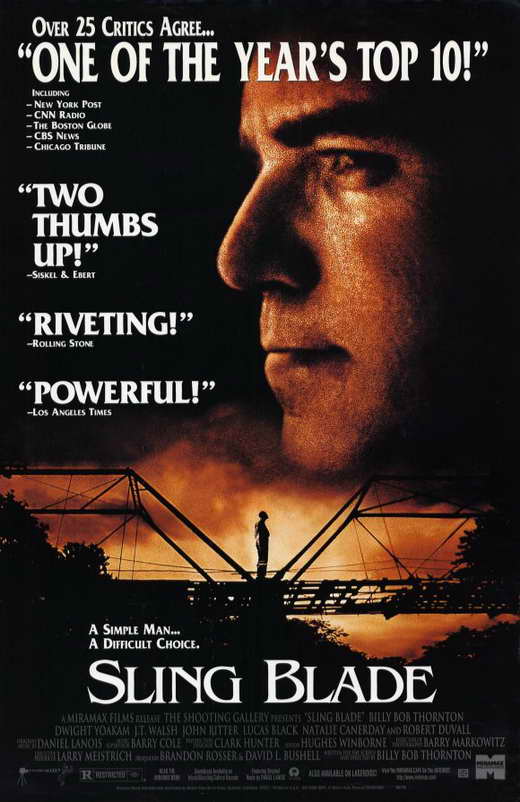
    9. SLING BLADE. (1996).

    Although there are moments of acting and dialogue in Sling Blade that still make my cringe, the characters are so strong that you really don’t care — in fact the first ten minutes of Sling Blade are probably the best dialogue ever written for film. A great guy movie.


    8. ARMAGEDDON. (1998).

    Okay, hear me out on this one. Armageddon is not only a great action film but is practically a blue collar opera. The idea of the world being saved by finding the best deep core drillers, is right up there with needing to find the best dry-wallers or small engine repair guys. The writing is solid, the story is strong and the acting top notch. A great movie.


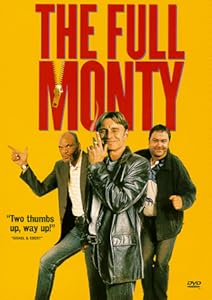
    7. THE FULL MONTY. (1997).

    If you had asked me if I wanted to see a film about a group of down on their luck blue-collar English guys who decide to become exotic dancers to pay their bills, I would not have rushed to the ticket counter. But The Full Monty is one of the greatest guy films ever made. There is not a character in the film that you don’t care about and the movie is emotional, real and powerful. You’ve got to see this one.


    6. SEVEN SAMURAI. (1954).

    Although I’m not a big fan of subtitles, you need to see the subtitled version of Seven Samurai to appreciate this film. Seven Samuria is a story of 1587 Japan when the feudal system is fading and the once and powerful Samurai are  now unemployed. Seven of these men join forces to protect a town against marauders because, well, they have nothing else to do and in effect create a great friendship. This is an amazing film and was the basis of John Sturges; The Magnificent Seven. You’ve got to see it.

    [amazon asin=B000I9UA8U&template=iframe image][amazon asin=B007QJB8LI&template=iframe image][amazon asin=B000NTPDSW&template=iframe image][amazon asin=B00DQJPIO0&template=iframe image]

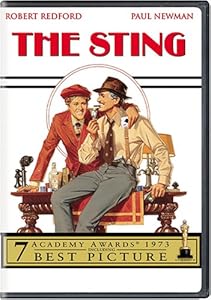
    5. THE STING. (1973).

    The Sting is the con artist move to which all other con films are judged. It’s a great film and a great story and keep you guessing all the way to the very end — when you’re still not exactly sure the ride is over. This is one of the top ten American Films of all time.


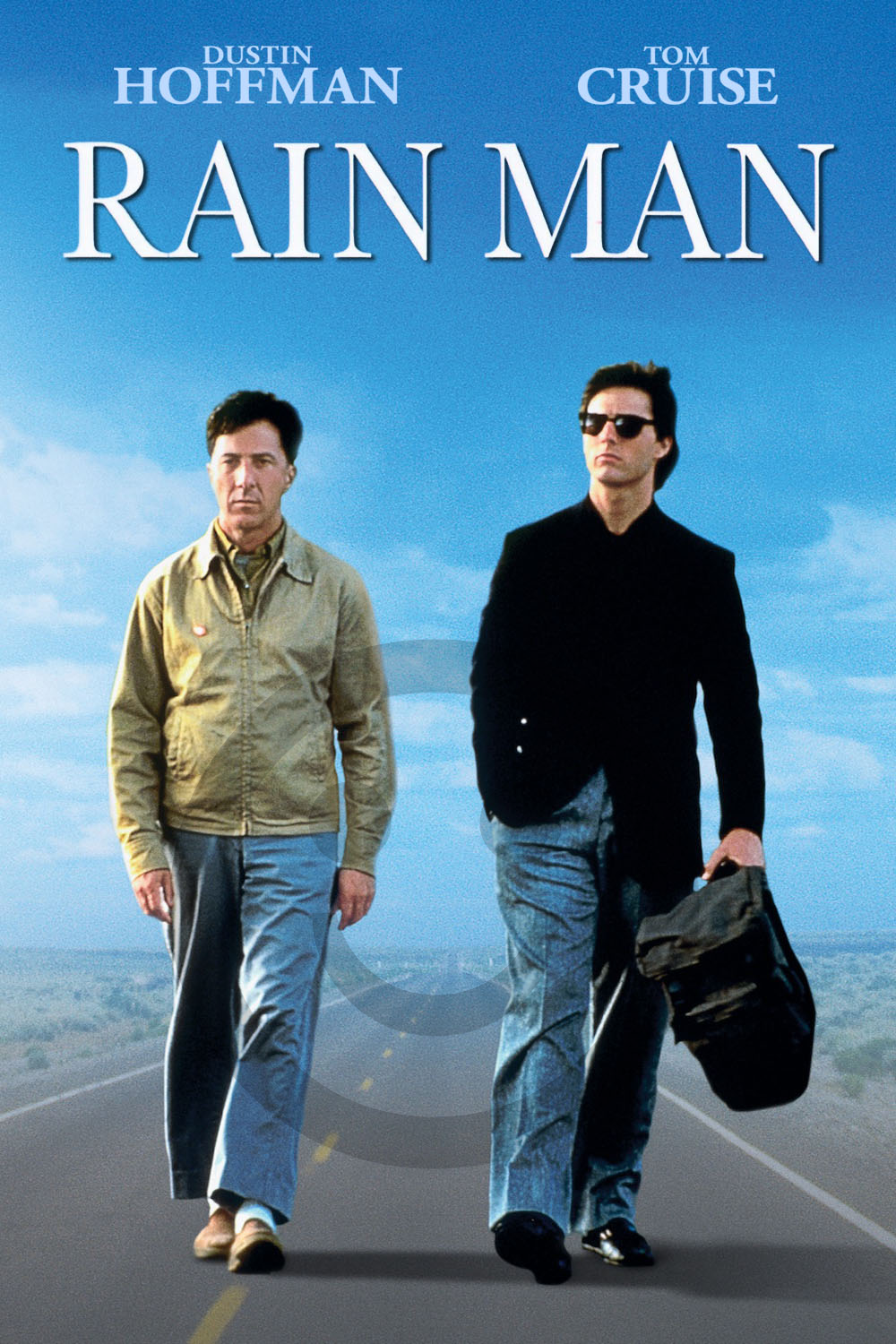
    4. RAIN MAN. (1988).

    Although I am not a big Tom Cruise fan, Rain Man is one of the greatest films ever made; a true road film that documents the relationship of a twenty-something, self involved man and his estranged older brother — it also is an interesting example of what the motion picture industry thinks of men as this film was almost not made because the producers didn’t believe men would watch any film without a chase scene.


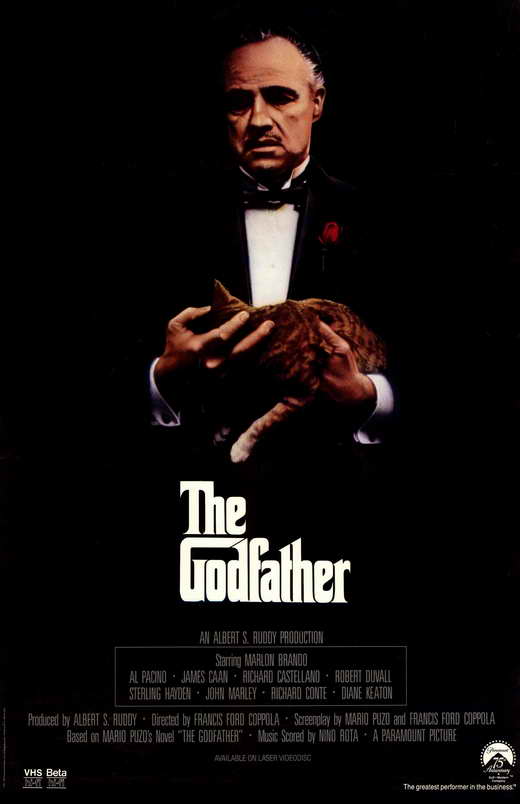
    3. THE GODFATHER. (1972).

    Although Goodfella’s is an amazing film, The Godfather still remains the big daddy of mob films — and of motion pictures in general. It’s an epic story of the rise of an Italian Mafia family. An incredible movie that has influenced American culture and for those thirty or so men in the US who have never seen the Godfather – go see it.


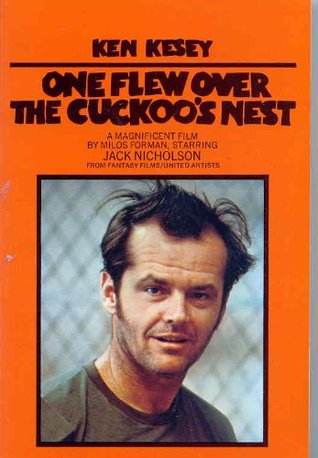
    2. ONE FLEW OVER THE CUCKOO’S NEST. (1975).

    One Flew Over the Cuckoo’s Nest is not only Jack Nicholson at his very best, but it’s also one of those rare occasions where a film is actually better than the book. This movie launched many careers and is an incredibly powerful story that doesn’t stop until the credits roll. You only need to see this film once and you will remember every second of it.


    1. SAVING PRIVATE RYAN. (1998).

    Not only is Saving Private Ryan the greatest World War II film ever made, it is also one of the greatest American film’s ever made — one of the reasons I stopped watching the Oscar’s was when Shakespeare in Love beat this film out for best picture. Are you kidding me?

    If you have never seen Saving Private Ryan, stop what you’re doing and see it right now.

  • How to plan a family reunion

    How to plan a family reunion

    reunion

    When it comes to how men view family gatherings — specifically, how men view extended family gatherings — there are three common stages that we pass through.

    First, we have the carefree days of youth; stage one. This stage runs from birth to sometime in our teenaged years. This is when we are excited to be part of this distinctive, kinetic family group and we look forward to each and every time all the aunts and cousins gather. These are the times when the best possible place to be, is right next to Uncle Don when he tells the boomerang story, or be at bat just before Amy; because she has a wicked cleanup swing. This is the time period when all your grandfather’s jokes are hysterical and all your aunts are beautiful. And the absolute saddest part of the day, the only bleak aspect, is when the cars begin to pull out of the driveway. And when all the cousins are gone.

    Then we move to stage two. These are the dark days and run from our teenaged years to sometime in our late twenties to early thirties. These are the thin skinned, chip on our shoulder, lots to prove and little show for it, angry days. When we grit our teeth every time Uncle Mike asks us how long we’re going to keep this job. This is when Vick and the other cousins smirk when we talk about our multi-level marketing plans — right before they ask how long it’s been since Jennifer dumped us. And even though she didn’t dump us, it was mutual, we watch the clock and cannot wait for everyone to leave — so we can catch our dad alone and discretely ask if he can help with part of this month’s rent.

    Then comes the third and final stage. The best stage. The last stage. Stage three. This occurs from your late thirties on until you die. This is when we show up for family gatherings in that twelve year old car — and are actually proud of it because it runs and is paid for. This is when your uncle challenges you to an arm wrestling match and you let him win. This is the time when you want to listen to the stories so much more than you want to tell any. These are the days when humility and pride both exist together and where you bounce your child on your leg and give a secret look to your cousins as your nephew describes how he’s going to make an absolute killing in real estate. These are the days you’ll enjoy the most and these are the times when you will work the hardest to keep the extended family together.

    Which means continuing, or beginning, those family reunions.

    HOW TO PLAN A FAMILY REUNION

    It’s a good idea to plan a reunion four to six months out — this gets the event on everyone’s calendar and locks everything in. It also gives you half a year to organize everything and work it.

    6 Months Before

    • Choose a date — check with folks that are traveling the longest distance and make sure it fits their schedules as they are making the biggest sacrifice.
    • Choose a length of time — is this over a Saturday afternoon or an entire weekend?
    • Choose a general location.
    • If over 50 people, create a reunion committee — determine person in charge of finance, food, entertainment, clean up, lodging, etc.

    4 Months Before

    • Lock in your location — if it’s a park or outdoor event, reserve the pavilion or fields if needed. If it’s inside, give the deposit needed or reserve the spot, etc.
    • Plan the menu — create the food assigning dishes and other food items to each family. Arranging for extra cooking and/or grilling facilities. Or finding a caterer.
    • Create a schedule — determine activities and entertainment, is there going to be a family softball game or contests. When do you want to schedule this?
    • Build in family history portion — start doing some research on the family tree or a huge white board/chalkboard is great for everyone to build a family tree together.
    • Photography and/or video — with everyone carrying cameras on their phones, hiring a photographer or videographer may not be necessary, but what will be is to find a place to store all those images and video. Create a reunion Facebook page or website where everyone can dump all the pictures taken — you can use this in the organization end as well to post updates and schedule.
    • Marketing — are you going to create postcards for the event or design t-shirts? Now is the time to plan those.

    3 Months Before

    • Finance — if large, determine cost per person.
    • Send out invitations — include times, locations, schedule, maps and costs or side dishes that need to be brought.
    • Committee sign ups — depending on the size there will be needs in each area. This is the time to get people to sign up for; set up teams, cooking committees, entertainment teams, etc.
    • Reserve items — do you need to rent a tent, chairs, portable grill? This is the time to reserve all of that stuff.

    2 Months Before

    • Create a stocking location — you’ll need a place to begin to store things.
    • Make nonperishable purchases — order the cups, table cloths, condiments, craft items, decorations, etc.
    • Send out e-mail or social network posts to keep the momentum going and stay on everyone’s thoughts
    • Arrange/place deposits on large food items — will you need 200 pounds of burgers? Now is the time to arrange this and to shop around for the best price.

    1 Month Before

    • Confirm, confirm, confirm — with family on food items, with reservations and with lodging.

    2 Weeks Before

    • Contact restaurants with a final guest count if necessary.
    • Contact volunteers with specific tasks to confirm times, locations, and the final guest count.
    • Review your final to-do list.
    • Buy last-minute decorations and supplies.
    • Create signs and banners.

    2 Days Before

    • Review reunion minutiae with committees.
    • Pick up any rental equipment — chairs, tables, grills, etc.
    • Prepare final payments and tips

    The Day Before

    • Set up and decorate.
    • Sleep.
  • How to pitch horseshoes

    How to pitch horseshoes

    shoe

    Back in the days of the Roman Empire, the horseshoe — the one we think of now with the U shape — hadn’t been invented yet. So instead, they used round iron rings that were nailed to the horse’s hoofs to protect them. Now, when the soldiers had some down time — you know, when they weren’t busy sacking and pillaging — they were always on the lookout for ways to keep busy, so they would pitch these round iron rings towards stakes in the ground. And from this the game of quoits — which would later evolve to the game of horseshoes — was born.

    The game grew and continued to be played for thousands of years, but not always by full-time soldiers or farmers or other “hardworking” laborers of the time — they would never have had the free time needed to play such a game. It was truly more of a volunteer soldier’s sport because the trained soldiers would have tasks to complete during every minute of the day. In fact, after the Revolutionary War, a beaten and bitter Duke of Wellington could not believe that his great English army was brought down by “pitchers of horse hardware.”

    After the wars came peace, and as soldiers returned home they brought the game of quoits with them. Soon it was not uncommon for every village and farming community to have their own pitching court.

    In 1869, eager to organize the game, England set up rules to govern it. It was determined that the distance between stakes would be 19 yards. The player would pitch his quoit with one step, the ground around the stake would be filled with sand, etc. Even with these rules in place, it wasn’t until 1910 in the city of Bronson, Kansas, that the first World Horseshoe Pitching tournament was held.

    Today, the game of horseshoes remains the ultimate backyard game. It’s a  perfect blend of skill, risk, and tactics. And although Corn Hole is a portable game that works well while tailgating and waiting in line for concert tickets, the game of horseshoes will always remain as the ultimate gentlemen’s recreational activity.

    HOW TO PLAY HORSESHOES

    The game of horseshoes includes four shoes — two of each color — and two stakes. Regulation horseshoes require that the two stakes be 40 feet apart, with each stake in the center of a sand-filled pit.

    If you have some space in your yard, the horseshoe pit is very easy to be made permanent by framing the two stakes with some scrap lumber and filling with playground sand. If you’re going to do this, toss a little cement in the hole with the stake so that it doesn’t move when the horseshoe hits it. Or, you can keep your game portable and bring them with you to every picnic and family reunion.

    Horseshoes can be played by two individuals or two teams of two players. The most common version of the game involves “innings.” During each inning, each player pitches two shoes. The goal is to get the horseshoe around the stake. This is a “ringer” and it is determined by the ends of the horseshoe being hooked on the stake and both ends of the shoe clearing the stake. When pitching, you must stay behind the foul line, which is 3 feet in front of each stake.

    Scoring:

    1. A ringer — the stake is completely encircled by the shoe — 3 points.

    2. A leaner — the horseshoe is leaning against the stake — 1 point.

    3. Closest — if there are no ringers or leaners, the person with the shoe closest to the stake gets 1 point. In addition, if your two shoes are closer than both of your opponent’s shoes, you get 2 points. If you get a ringer, and you have the closest shoe, it’s 4 points.

    4. Cover — if a shoe is thrown on top of your shoe as a ringer, your ringer is cancelled.

    The goal is to be the first to score 15. In another version of the game, you can determine that you’ll both have a set number of pitches, and whoever has the most points at the end wins.

    Remember the goal is to not only get more points, but to stop your opponent from scoring. Sometimes the best tactic is not to pitch for the point but to cover or knock over the opponent’s leaning shoe.

    A backyard set of horseshoes will run you about twenty bucks. If you look around, I bet you’ll find some public horseshoe pits near you and probably a league looking for members.

  • REVIEW: Film: Snowpiercer.

    REVIEW: Film: Snowpiercer.

    snowpiercer-poster

    One of the simplest questions we all get asked is one that I have difficulty answering. It’s one of those in the icebreaker category — you know, not a; where are you from? what do you do? where did you go to school? but the personal tastes and interest question of — what’s your favorite film?

    That’s tough. And is absolutely impossible to answer.

    See, when I find a film that I like — one that is so good that I just can’t get it out of my head — I will watch it about — well, ten gazillion times. I’ll just keep watching and watching it, over and over; experiencing each scene from the beginning in one continuous loop. I’ll look up deleted scenes. I’ll delve into the life of the actors. I’ll download the actual script and look at how it was first written compared to how it was shot. And when I have reached the ten gazillion mark — when every last bit of emotion and beauty has been wrung out of it and all that’s left is the husk — I’ll discard it. I’ll never watch it again. Ever.

    When it comes on TV, I’ll flip past it. When it becomes a topic of conversation, I’ll wait for it to pass. Because I’ve taken too much of it I’ve overdosed. It’s over.

    This is the first reason why we’ve not done a film review on 543skills so far. The second reason is that I can be kind of a jerk when it comes to movies — I admit this. But hey, when you give someone 100 million dollars to do something — which is the average price tag right now to make a feature film — you expect a quality product. A better than quality product. With 100 million dollars you should be able to make something unforgettable, that changes lives. Every time.

    But there are very, very few absolutely amazing films made. And the even worse part is that we seem to be okay with that.

    Which brings us to Snowpiercer.

    Now, I first heard of the film when Tim Ferriss recommended it (and I am allowing a few seconds to build up so you think that Tim and I discussed the movie during a racquetball game; that this is the type of movers and shakers I associate with, but actually I read it in his newsletter.) In fact, Tim Ferriss raved about the film. So did a lot of people and Rotten Tomatoes gave it a 95%. So, I watched it.

    Now the premise of Snowpiercer is this. The world tries to stop Global Warming by introducing this super chemical into the environment. This chemical is a really bad idea and the entire planet freezes over but not before a genius named Wilford builds a mega train where the last of humanity can be saved and travel around the world at breakneck speeds while the frozen planet lies around them.

    There are two classes in this train. There is the first class who spread out among the majority of cars and live a life of luxury and extravagance. And then there are the lower class who in the back and are kept in a crowded windowless car and fed only protein blocks that look like black Jello. But one brave soul from the back named Curtis, has finally had enough of this poor treatment and organizes a rebellion to get his lower class brethren further up in the train where all the food and good stuff is kept.

    Now besides the ridiculous plot holes of Snowpiercer — instead of building a train that travels at 90 around the world with no stops and no real purpose to travel, why not take that technology and build a bigger structure that’s stationary — it’s is not a bad film. Not really.

    It’s not a good film. But it’s not a bad one. Actually, I’m not really sure what it is.

    The end of the film doesn’t leave you with any more answers than you had in the beginning. In fact, the answers that you are given are disappointing at best. You don’t really care about the characters or what happens to them and the few, oh my gosh you’ve got to be kidding, plot twists, don’t work.

    What you do have is some visually appealing scenes and some fairly good acting — but with a flat script it really doesn’t matter.

    Snowpiercer is worth seeing for the imagery. I guess. But that would be it. There are too many plot speed bumps to count and the end of the ride is — well, just plain silly.

    But hey, Tim Ferris said it’s good.

  • The lost art of pickled eggs

    The lost art of pickled eggs

    eggs

    There are several symbols of life that have pretty much vanished from the American landscape. These include payphones — you still see a few once in a great while, but they are becoming increasingly scarce — Western Union Telegrams, video rental stores, and gone are the days when you would go to the hardware store to use the machine to test your television tubes; in order to determine which ones needed replacing — eliminating those expensive TV repairmen that charge and arm and a leg.

    Yup. Those days are pretty much gone.

    And another casualty of modern living is now missing from the neighborhood bar. At one time, there, back by the cash register, near the packs of cigarettes and the book where they kept track of your weekly sign-in — you would always see — it. That gallon jar of pickled eggs. Beautiful, inviting and glimmering in its vinegar glow.

    The bar pickled egg had been a staple for decades and often provided the only solid food a working man would have before heading home after a hard day. Originally the bar egg was simply a hardboiled egg; offered free to patrons like pretzels are today — in order to make the customer more thirsty and also to keep them from getting sloppily drunk. But health concerns grew and this practice migrated to selling just the pickled version; which could last longer and removed the need to clean up all those egg shells.

    The pickled egg first showed up on the American scene in the 1700’s and although many believe this to be a British transplant, it was actually the German colonists that brought it with them. It was popular with Hessian mercenaries and then migrated over to the Pennsylvania Dutch. It was a very simple practice, where the egg — or the cucumber or the beet — were placed in a jar of spiced vinegar and left there.

    If pickling hasn’t become a lost art, it has definitely become a niche one and is often lumped in with canning. Which is not accurate.

    Canning is the act of preserving food for storage. Pickling is when the vinegar and spices infuse it and alter the structure.

    Can a tomato and you still have a tomato. But pickle and egg and you get something completely different.

    Pickling is pretty easy and does not require canning pots and jars and can be done with just a few leftover glass jars and a pot — I mean you can use all that fancy stuff if you have it, but it’s not required. Because you can easily pickle eggs — or sausage or anything — with items that are just lying around the house. . It’s easy. It’s fun and it’s one of those cooking areas that everyone believes is a lot more difficult than it really is. And you can be very creative with pickling because the flavor is changed with not only the spices, but also with what else is pickled with it — hot peppers or fruit you whatever else you add in.

    Plus there is this unique effect when you bring homemade pickled eggs to a barbecue or an event that moves you up the unique-ladder — it’s possible that depending on how narrow minded and culinary-retentive your friends are, that no one may eat them, but I guarantee there won’t be three other jars of pickled eggs at the tailgate.

    Now the one down side to pickled eggs, is that they do not preserve the food long term like canning does — commercial pickled eggs can be kept on a shelf for years, but homemade ones need to be refrigerated, even before opening.

    And the very first — and really the only rule — of any pickling endeavor is, don’t use the prepackaged pickling spices. I have used these before and they are basically salt with some salt added in for flavor. You can create a much, much better brine on your own.

    Now, the most difficult aspect of pickling eggs has nothing to do with the cooking part, but has everything to do with getting those eggs out of their shells. Unpeeling hardboiled eggs is tedious and yields completely inconsistent results, so here are a few tricks that work pretty well.

    HOW TO PEEL HARDBOILED EGGS

    1. The Baking Soda Method

    If you increase the pH of the water you are cooking the egg in, the shell will actually break down. So add in 1/2 teaspoon baking soda for every quart water you use. Boil the eggs. Let cool and peel.

    1. The Lung Power Method

    Here’s how it’s supposed to work: First, crack the shell at the very top and bottom of the egg, then peel off about a dime sized hole on each end. Then, place your mouth over the hole on the top of the egg, and blow. According to some very cool Youtube videos,  this should work — but I have only made it work if I use the baking soda method first.

    1. The crack all over method

    If you take the egg and crack both top and bottom, then, on a paper towel, roll the egg around and crack the entire surface — you’ll know you’ve done this when you stop hearing the cracking sound. Then, if done right, the shell should come off in large pieces. I’ve had this work many times — and not work many times, and the key seems to be that older eggs peel better. Newer ones — especially the ones my wife gets directly from her friends who have chickens — are a pain to peel.

    1. The Swirl Method

    So the philosophy here is, you cook the eggs, remove them and place in a pot with a few inches of cold water. Then in the pot, swirl they eggs in a circle, letting the eggs bump and crack and slam all over each other. Then when you take the eggs out they should be partially unpeeled and easy to finish. I have tried this method and it works sometimes, but it does make a mess — but you get a great forearm workout.

    1. The Glass of Water Method

    This is my go-to method for unpeeling hardboiled eggs and I use it all the time. You place the egg in a glass with an inch or so of water in it. Cover the top with your hand and shake it and swirl it. The eggshell will take on small cracks over the surface and the water will get in between the shell and help it slip right off.

    HOW TO MAKE PICKLED EGGS

    So step one is to find a jar that can be sealed tightly — leftover pickled jars or anything with a wide mouth and a lid that seals. A quart-size canning jar will hold about one dozen medium sized eggs. Clean the jar thoroughly.

    Add inside the jar the eggs and the extras — extras can include cut up onion, sweet peppers, hot peppers, garlic cloves, whatever you want.

    In a large pan add in ¾ cup of water, 1 ½ cup of apple cider vinegar, 3 tsp salt, 2 tsp sugar, 1 clove garlic, some dill, mustard seed or any other spices you want — remember; there are no rules.

    Bring the pot to a boil and then let it simmer for 5 minutes.

    Right before you are ready to pour everything in the jar, run hot water over the outside surface of the jars you are using to warm them up.

    Pour the mixture into the jar and cover with the lid.


    That’s it.


  • Fame

    Fame

    actor

    Since the beginning of time, man has been coming up with wise things to say to each other. Pearls of wisdom. Proverbs and sage advice. The best of these insightful phrases are remembered and passed on.

         Two wrongs don’t make a right.

         Necessity is the mother of invention.

         Absence makes the heart grow fonder. 

    King Solomon — often touted as the wisest man in the world and the author of The Book of Proverbs, in The Bible, penned over a thousand ‘songs’ or wise sayings about God and life. Great stuff such as: A soft answer turns away wrath. Don’t run too far from your problems, you’ll only have that same distance to return. And; A good name is more desirable than great riches; to be esteemed is better than silver or gold.

    Accurate statements. All of King Solomon’s writings are sound and solid but there is big difference in The Bible between the word of God — I will never leave you or forsake you — and the words of wise men like Solomon — train a child in the way he should go and when he is old he will return to it.

    Because King Solomon’s words are only wise guidelines and God’s words are where the pure truth of The Bible lies.

    We often forget this and therefore the phrases themselves — those motivational words of encouragement that dot our Facebook walls — become our perceived truth. But these phrases can only contain the refection of the truth, not the truth itself.

    An example is the phrase is: Do what you love and the money will come.

    Cute. But wrong.

    If taken literally, this means that if you do only the things that you love and enjoy, you will become wealthy doing it — or at least be able to support yourself doing it. That by going after those areas that we have done before and know that we love, we will be successful and content — so all you need to do is to focus on those things you get pleasure out of and leave the things that you don’t, alone.

    I love eating Oreo’s but not only would it be difficult to find someone to pay me to eat them, I guarantee that after a few weeks I would stop loving them.

    So the phrase is limited. It doesn’t allow for growth and hard work. A more accurate edit might be: Love what you do and the money will come. Yeah, that’s closer. But, if you drill down deeper into what is around the proverb, what supports it, you will see additional flaws.

    So what do we enjoy? — and not only what do we get pleasure out of but why do we get pleasure out of. Because the world is divided between pleasure and pain — we either turn towards something or run from it — yes, that’s true. But there is also the gap factor.

    Pleasure is great, but sometimes pleasure can be pulled from one area into another when needed, which is where gaps occur. The obese woman with immaculate hair and makeup has gaps. The short man in the Hummer has them too; pleasure in one area being syphoned to decrease pain in another.

    This occurs a lot in The Performing Arts where people become hooked on the adoration, the attention, the notoriety, and not the work.

    Here is an example. Think of how many people you know whose dream it is to become one of these three things: a writer, an actor or a musician. Start counting in your head of all the people you know, or have ever known, who have dreamed of becoming well known in one of those categories — to catch their big break, land that perfect roll or simply be discovered.

    Got a rough number?

    Good. Now, do the same thing and think of people you know whose dreams, who’s very passion, is to break into three completely different career paths. A puppeteer, a juggler or a camera operator.

    Got that second number?

    Okay, so why is the first number so much higher than the second? According to logic it shouldn’t be. If artistic talent and passion is the true driver, then those numbers should be the same because it takes just as much creativity in making a marionette come to life as it does to pretend to be someone on stage. It requires as much skill to work a TV camera as it does to sing. So why do we not know a single kid who wants to be a juggler when he grows up? Why don’t we have a few dozen friends who after a few too many Budweiser longnecks, pine over the life they should have had with puppets?

    Tom Hanks was interviewed once and was asked when he first knew that he was a success. He laughed at this and said that he was a success when he first got out of college and was performing Shakespeare in the Park. He was doing what he loved to do, was happy and probably would have been content performing in that way for the remainder of his career. It wasn’t the fame that drew him, it was the craft.

    Kevin Spacy has turned down several film rolls because he doesn’t really like making films. But he loves the theatre and spends as much time performing in theatrical productions as he can.

    If your dream is in one that fits in that first category, then here’s the question. How will you know if you are successful?

    If the answer is — if the true answer, the one you only tell yourself — is when I’m famous, or when I’m rich, then you are heading towards the shadow of this dream rather than the dream itself. It’s a lie, a trick and a gap.

    The Ancient Greeks had a phrase called The Golden Meen. Nothing to excess. Finding the balance. A life with balance is great life. It is strong and solid and cannot be tumbled. But a pursuit where there are only two levels; fame and failure, can never be aligned.

    Breaking in. Catching a break. Being discovered. What does that even mean?

    If you want to write, to perform or to make music, then do it. Get good at it. Hone your craft. Write plays for your church Christmas play, make music at a retirement home and do standup for Veterans. Use your gift and your passion and give it away. Get good at it.

    And find the balance.

  • Velma

    Velma

    VelmaVelma invented the Egg McMuffin.

    This would have been around 1957, at a business she owned with her father called The Gem Diner.

    The Gem Diner was a little place in Sanitaria Springs, New York — which in itself was a little place near Binghamton, New York — that sat on the side of Route 7 and sold sandwiches, shakes, burgers and fries to travelers who would stop by for lunch or an early dinner. But few people came in for breakfast.

    “They stop and get coffee,” Velma said to her father.

    “They get coffee,” Grover corrected. “To go. They don’t want to be late for work, so they fill their thermos and leave.”

    So Velma began thinking of a portable breakfast that could be made quickly. She came up with a fried egg, slice of Canadian Bacon and cheese served on a toasted English Muffin.

    “What is it?” Grover felt the warmth of the English muffin and egg flow through the wax paper that covered the sandwich.

    “It’s breakfast,”

    “Well,” he unwrapped it. “We’ll give it a try.”

    They sold out the first week. The item was named The Gem Diner Special and it cost thirty cents.

    “Don’t forget The Gem Diner Special tomorrow,” Grover would remind every customer he rang out.

    Now, on the road from Bainbridge, New York to Binghamton, New York, there were over fifteen places to stop and get a cup of coffee on your way home from work —  twenty if you weren’t picky. But none with a prettier waitress. So every day Larry De Morier stopped at The Gem Diner. And every day he would talk to Velma. And every day he would leave — only after he made her laugh at least twice.

    He proposed to her on the porch steps of Grover’s house in Sanitaria Springs — the big house that was once the town’s hotel — just around the corner from the diner. They were married in January of 1958. Grover rented the upstairs rooms out to people, so he moved to a back bedroom of the house, and the newlyweds took the first floor.

    Life went on.

    Four years later, two days after Christmas in 1962, Velma awoke suddenly and knew it was time to deliver her child. She woke her husband who carried her bag out and scrambled to get her into the car. Larry jumped in — it was ten miles to the hospital but the roads would be clear at this hour — but when he turned the car key, nothing happened. He tried again. And again. But without even a click from the starter to signify effort, the car did not start.

    Larry jumped out of the car — leaving his wife inside — and disappeared. It was cold and silent in Sanitaria Springs at this time of night. Velma sat — trying to remain calm — until she heard the roar of a large engine in the distance, then a car raced towards her; a copper colored Ford Fairlane. Larry jumped out to transfer his wife inside.

    “Who’s car is this?” she asked, through shallow breaths. .

    “A friends.”

    Larry shot out of the stone driveway.

    On the clear back roads, they made good time. They got to the hospital and their child was born, and fifteen hours later — when his head had now cleared — Larry decided he’d better find out who’s car he had taken — since he had ran up the street and looked inside of every car he could find until he came across one with the keys in it. So he and Grover made some phone calls, identified who owned the car, described the situation. The police were contacted and they stopped their search for the stolen Fairlane.

    The Gem Diner did well for a few more years but the hours were long and demanding. And Grover decided it was too much for his daughter and her young family, and too much for him. They closed the doors. So Grover paced the big house trying to determine what do next — especially since Larry and Velma would soon have another mouth to feed with their second child. He had to come up with a source of income for her where she wouldn’t have to be away from home as much.

    “A fish store?” she asked. “You mean, to eat?”

    “No. Tropical fish,” he said excitedly. Pointing to the area that was once the bar of the old hotel. “Right here. You wouldn’t even have to leave the house to take care of customers. You would here the buzzer inside the house when someone came in that door, and you would just walk in through the house. Simple.”

    So Grover got to work on The Mermaid Aquarium, Sanitaria Springs first tropical fish store. He bought display cases and shelving, hose and tank decorations and filled over a hundred different tanks with water, gravel, pumps and exotic fish.

    “Do people care about tropical fish?” she asked.

    “You’ll make them care. And a fish tank is cheaper than one of them color TV’s, remind them of that.”

    Grover walked out to his car, motioning his son-in-law to help him carry something back in.

    “What is it?” Larry lifted his side of the box but something inside moved.

    “Alligators.”

    “What?”

    “Baby ones. Put them in that tank right next to the piranhas.”

    Preparation for the store continued. And two days before the grand opening of The Mermaid Aquarium, Grover Bennett died. Velma opened the store without him. And a week after that, she named her new daughter after her father’s favorite song; Laura.

    The Mermaid Aquarium provided a solid second income to the family and with the rent of the tenants upstairs and Larry’s small salary, they squeaked by. In fact, there were even a few dollars to spend on a new trend: kids birthday parties hosted at McDonalds.

    In 1972, as Velma helped kids into the basement of the Front Street McDonalds —  where they had games, music and cake set up for her son’s tenth birthday — she passed a large poster announcing McDonalds newest food item. The franchise would now start serving breakfast and they invited all to try the new Egg McMuffin.

    Velma smiled.

    And time moved on.

    Velma is 93 years old now and I thought of these stories as I helped her pack last weekend. I thought of how when my dad went on medical disability in 1978 and his small salary would now become even smaller, Velma became the oldest College Freshman at the State University of New York at Delhi’s Nursing Program. She was 56 years old and she combined classes and graduated in one year. She then went to work at The Delaware Valley Hospital in Walton for almost thirty years, where she won nurse of the year in 2002. A plaque still hangs there with her name on it.

    We continued to pack.

    “Not everything,” she said. “We don’t need to take everything, just a few things. I’ll be back.”

    “I know.”

    And we would be back. A few times probably to get the house ready to sell.

    “Your heart is strong, Velma,” Doctor Freeman had said, only a few days before when he examined her. “Very strong. So are your legs. But your balance is terrible.”

    So Velma would go to Ohio. To Laura’s house. Where there was a room waiting for her and a city that had senior centers and groups and organizations and she wouldn’t be alone in a big house.

    “I’m not just going to twiddle my thumbs,” she said.

    “No one is asking you to.”

    “I need to do things.”

    “We know.”

    And we packed her bag and got her medication. We took a few of her pictures and I checked the lock twice. We got in the car and then went back inside for her cane — she didn’t think she would need it. Then we adjusted the heat in the car to volcanic levels — just the way she liked it — and we headed out for the five hour drive to meet my sister half way between Walton and Columbus.

    “I didn’t get breakfast,” she announced, as if a serious crime had been committed against her.

    “We’ll stop at McDonalds on the way out.”

    “Okay.”

    And we did.

  • The broken gauge

    The broken gauge

    path

    From the moment we are born — when we are a minute old, right to the day before our eighteenth birthday — we fall under a specific legal category. We are minors.

    Now, the dictionary definition of a minor is one of lesser in importance, seriousness, or significance. Which in the legal state is somewhat untrue. Yes, as minors we cannot vote, buy tobacco, we cannot serve in the military and we cannot make legal decisions on our own. But as far as importance, we have the very highest priority of legal protection and safety.

    But at eighteen years of age this changes. We leave the state of minorship and enter the legal age of adulthood. This is the line. There are the things that happened before we are eighteen — our childhood — and then all that occurs after — as an adult.

    Now, there is no clear reason why eighteen was chosen for the age of adulthood. Many historians will say that it is tied to the end of the public school system and the beginning of college enrollments and most kids complete high school at the age of eighteen. An age had to be chosen and this one made sense.

    So the normal path of life is tied directly to this age.

    Before eighteen, we are a minor.

    At eighteen we are an adult.

    By twenty-two we should be done with college or have our career path chosen.

    By twenty-five we should be living completely independent and be financially established.

    By thirty we should be married.

    By thirty-five we should have kids.

    By forty we should be hitting our career stride, making a good income and raising our children.

    By forty-five we should be upper management.

    By fifty we should be reaching our area of peak income potential.

    By fifty-five we should have our kids in a good college.

    By sixty we should be looking towards retirement and the good life.

    This is the path. This is the gauge we should measure ourselves and others against. If we are ahead of the curve, we are successful. If we are behind it, we are failing. And all of it is based on the fact that — we are adults at eighteen. And this is when it all begins. This is when the grading starts.

    But there is a major issue with this type of reasoning. The biggest one is that the human brain — the device that has complete control over all we think, reason, decide and do — is still developing until the age of twenty-five. This is true. It’s also the reason why our car insurance rates begins to go down at the age of twenty-five because we are finally done cooking and can now think clearly — at eighteen the rates are the highest and at twenty-five they begin to go down.

    So at twenty-five we first have all the mental equipment we will be given. But according to the scale we should be seven years into our path. And if we’re not; if at twenty-five or thirty we are just opening our eyes and seeing clearly for the first time — we are a failure. And worse, we have missed the boat. We realized too late. The opportunities have left us and we’ll just have to get by someway else.

    And this is absolutely not true.

    Life decisions do not have expiration dates. You don’t go back to college to finish, you go to college. You don’t go back to your old profession; you just decide that is the industry you want to make a living at.

    Fifty is as perfect of an age to begin a business as thirty is. Twenty is just as good a time to go to college as forty. And learning to play the guitar, to speak Spanish, to dive or to juggle, has no age limit at all.

    There is no back.

    Because there is no gauge.