Category: Remedies

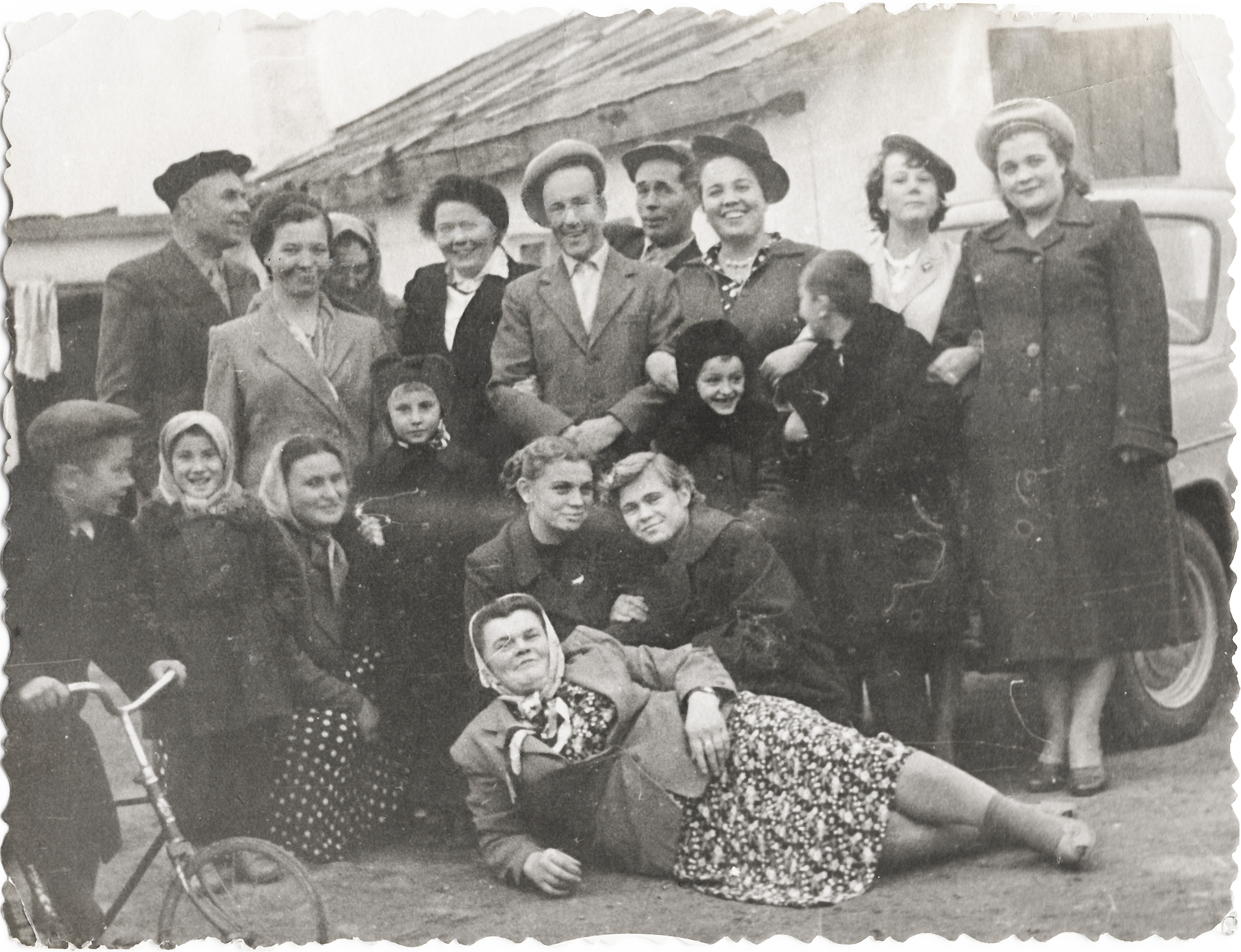
  • How to plan a family reunion

    How to plan a family reunion

    reunion

    When it comes to how men view family gatherings — specifically, how men view extended family gatherings — there are three common stages that we pass through.

    First, we have the carefree days of youth; stage one. This stage runs from birth to sometime in our teenaged years. This is when we are excited to be part of this distinctive, kinetic family group and we look forward to each and every time all the aunts and cousins gather. These are the times when the best possible place to be, is right next to Uncle Don when he tells the boomerang story, or be at bat just before Amy; because she has a wicked cleanup swing. This is the time period when all your grandfather’s jokes are hysterical and all your aunts are beautiful. And the absolute saddest part of the day, the only bleak aspect, is when the cars begin to pull out of the driveway. And when all the cousins are gone.

    Then we move to stage two. These are the dark days and run from our teenaged years to sometime in our late twenties to early thirties. These are the thin skinned, chip on our shoulder, lots to prove and little show for it, angry days. When we grit our teeth every time Uncle Mike asks us how long we’re going to keep this job. This is when Vick and the other cousins smirk when we talk about our multi-level marketing plans — right before they ask how long it’s been since Jennifer dumped us. And even though she didn’t dump us, it was mutual, we watch the clock and cannot wait for everyone to leave — so we can catch our dad alone and discretely ask if he can help with part of this month’s rent.

    Then comes the third and final stage. The best stage. The last stage. Stage three. This occurs from your late thirties on until you die. This is when we show up for family gatherings in that twelve year old car — and are actually proud of it because it runs and is paid for. This is when your uncle challenges you to an arm wrestling match and you let him win. This is the time when you want to listen to the stories so much more than you want to tell any. These are the days when humility and pride both exist together and where you bounce your child on your leg and give a secret look to your cousins as your nephew describes how he’s going to make an absolute killing in real estate. These are the days you’ll enjoy the most and these are the times when you will work the hardest to keep the extended family together.

    Which means continuing, or beginning, those family reunions.

    HOW TO PLAN A FAMILY REUNION

    It’s a good idea to plan a reunion four to six months out — this gets the event on everyone’s calendar and locks everything in. It also gives you half a year to organize everything and work it.

    6 Months Before

    • Choose a date — check with folks that are traveling the longest distance and make sure it fits their schedules as they are making the biggest sacrifice.
    • Choose a length of time — is this over a Saturday afternoon or an entire weekend?
    • Choose a general location.
    • If over 50 people, create a reunion committee — determine person in charge of finance, food, entertainment, clean up, lodging, etc.

    4 Months Before

    • Lock in your location — if it’s a park or outdoor event, reserve the pavilion or fields if needed. If it’s inside, give the deposit needed or reserve the spot, etc.
    • Plan the menu — create the food assigning dishes and other food items to each family. Arranging for extra cooking and/or grilling facilities. Or finding a caterer.
    • Create a schedule — determine activities and entertainment, is there going to be a family softball game or contests. When do you want to schedule this?
    • Build in family history portion — start doing some research on the family tree or a huge white board/chalkboard is great for everyone to build a family tree together.
    • Photography and/or video — with everyone carrying cameras on their phones, hiring a photographer or videographer may not be necessary, but what will be is to find a place to store all those images and video. Create a reunion Facebook page or website where everyone can dump all the pictures taken — you can use this in the organization end as well to post updates and schedule.
    • Marketing — are you going to create postcards for the event or design t-shirts? Now is the time to plan those.

    3 Months Before

    • Finance — if large, determine cost per person.
    • Send out invitations — include times, locations, schedule, maps and costs or side dishes that need to be brought.
    • Committee sign ups — depending on the size there will be needs in each area. This is the time to get people to sign up for; set up teams, cooking committees, entertainment teams, etc.
    • Reserve items — do you need to rent a tent, chairs, portable grill? This is the time to reserve all of that stuff.

    2 Months Before

    • Create a stocking location — you’ll need a place to begin to store things.
    • Make nonperishable purchases — order the cups, table cloths, condiments, craft items, decorations, etc.
    • Send out e-mail or social network posts to keep the momentum going and stay on everyone’s thoughts
    • Arrange/place deposits on large food items — will you need 200 pounds of burgers? Now is the time to arrange this and to shop around for the best price.

    1 Month Before

    • Confirm, confirm, confirm — with family on food items, with reservations and with lodging.

    2 Weeks Before

    • Contact restaurants with a final guest count if necessary.
    • Contact volunteers with specific tasks to confirm times, locations, and the final guest count.
    • Review your final to-do list.
    • Buy last-minute decorations and supplies.
    • Create signs and banners.

    2 Days Before

    • Review reunion minutiae with committees.
    • Pick up any rental equipment — chairs, tables, grills, etc.
    • Prepare final payments and tips

    The Day Before

    • Set up and decorate.
    • Sleep.
  • The New Year’s resolution hack

    The New Year’s resolution hack

    New Year

    It’s a pretty well known fact in the health club and fitness Industry that the best time of year — their season — is January. No doubt about it. This is when health clubs, gyms, personal trainers; diet supplement companies and home gym equipment manufacturers, all see the bulk of their business for the entire year. It’s their market. It’s New Year’s resolution time.

    And these same health club and fitness professionals will also tell you that the busiest time of that month is the second week of January; when they will see the largest single week of the year. And after that  — things begin to taper down. Each week. Until the second week of February when the season is officially over.

    Now at the end of that four week period, 80% of the people who have bought their Super Stepper 9,000 or joined a gym, have stopped. Over the next two months — until the second week of April — an additional 12% will stop as well. Leaving 8%. Which is the average percentage rate of people who reach their New Year’s resolutions.

    8%.

    Now as far as health clubs and gyms go, they love this trend — they will never tell you this, but their accountants will. Because what is a better customer than one who pays for an entire year and then doesn’t use up valuable is resources or equipment. And — here is the best part — those same people will be back again next January convinced that this year things are going to be different. And they’ll sign up again.

    Now fitness is only one of the goals we set at the beginning of the year — financial is another big area, career, artistic goals of music or of finally sitting down and writing that book, there are many.

    So why do New Year’s resolutions fail? Well, there are many reasons. Here are a few …

    1. Because they are fueled by motivation only — motivation is short lived and usually lasts only about a month by itself.
    2. Because we set unrealistic goals.
    3. Because we need the goal to fix something in our life; to make it all better.
    4. Because we don’t have a plan, we just have an end result.
    5. Because we are now in panic time. It’s not important that it took us 3 years to put on that extra 60 pounds, it must be off by summer!

    Yup. All of these are true. But there are two other reasons — the two real reasons — why most New Year’s resolutions fail. And if you address these two other areas, your odds go up substantially. In fact, you will double your chance of success if you only focus on these two areas.

    Ready? Here they are.

    The real two real reasons why 92% of all New Year’s resolutions fails — are this.

    1. Because we get something out of where we are now. If we are overeating, overspending, drinking too much, out of work or have our finances way overextended, we get something out of that. Either a pleasure or an escape and until we identify what that is — really spend time with it — then it will continue to run silently in the background; quietly and under the surface, and will derail any minor motivation fueled trend we are running on the top.

         Because if we never turn the program off. Identify it and replace it with something else. Then that beacon — that we ourselves put into motion — is enough to make us one of the 80%. If we don’t turn it off an replace it, motivation alone will not break through it. We are wishing to go north but we are steering south.

        And the second reason is this  …

    1. Because we think we need to fight. That there is something inside of us that wants us to fail and we need to fight, it, Defeat it. Instead of realizing that it is a program that we put there, to protect and help us — http://543skills.com/skill-529-the-truth-about-self-discipline/

    So here is the single thing you can do — the very best action — to drastically increase your chance of reaching your New Year’s resolution.

    Ready?

    Here it is.

    The best way to achieve your New Year’s resolution is —-.

    Don’t set one.

    At least not right away. Instead, spend this month — four solid weeks — in getting to know yourself and getting to know how you got to where you are now.

    Oh and cop-out answers don’t count here. Answers like, I took my eye off the ball or I wasn’t motivated enough to change — are bull. You get something out of overeating or avoiding those work projects. You told yourself to keep you safe or keep you protected. You get something from it otherwise you wouldn’t be doing it.

    What do you get?

    So, spend a solid month in getting to know what that is. Now, I now, but the gym, the office, the life you are going to organize, it will be there waiting for you. Consider this month basic training, getting you ready for it.

    And here are the two best ways to do that. Here are two ways to get into that programming and see what that code really is.

    1. Write. Just start writing, every day, in a journal of everything you think and feel. Start to write about why you want to change and how you got to where you are. Keep digging and digging for a solid month.

    And …

    1. Go into the silence. Now this one will take a little getting used to but it is amazing the results. What it is is take an hour — yeah, it seems like a long time but it’s worth it — where you are completely unplugged. Step into a a quiet room, your parked car, the woods, whatever. Turn your phone off and just sit — motionless, don’t move — for one hour.

    The first twenty minutes of this will be hell. Then calm will come over you. And then — things will begin to click. Doors will open and you will begin to think pure thoughts. Pure code. You will see clearly.

    Do this — do all of this. And when your four weeks are up, then set your goals. And you’ll not only be one of the 8% but you’ll get there easier and you’ll get more joy out of it because you’ll be in sync with what you really want.

  • How to Get Rid of a Skin Tag

    How to Get Rid of a Skin Tag

    skin tag

    You know those protruding little bits of skin that form from time to time on your body, especially on places where your skin rubs together? Yeah, those are called skin tags — and they suck.

    Unpleasant to look at — and ranging from slightly irritating, to flat out painful — these little buggers are technically known as acrochorda and they have no redeeming qualities whatsoever.

    Millions of Americans develop skin tags every year and they are especially prevalent in middle aged and overweight individuals. And while they don’t post any real health threat, they are aesthetically unpleasant and can be difficult to get rid of without the aid of a doctor.

    Notice I said — can be difficult to get rid of.

    Because while finicky skin tags are annoying — they can be easily removed with some finesse and common sense. Now, you should always see a doctor when you find a skin growth that you are worried about — if benign skin tags have become routine for you, then you are probably an expert on one of them that look different from the others — but otherwise there are some relatively simple options to remove them on your own.

    WHAT NOT TO DO

    Rule number one: don’t force the skin tag off. Everyone knows someone who has cut the tags off with scissors, nail clippers, duct tape, or some other device. And we call these type of people — idiots, (by the way, I was one of them).

    If you try to yank a skin tag off, the first two things to happen will be a lot of blood, followed by a lot of pain. And then you have to deal with all the fact that you are now highly susceptible to infections — eyelids are the worse. Furthermore, cutting a tag off, can creates a totally unnecessary hassle, as many of the most effective ways at removing these are pretty painless.

    HOW TO REMOVE A SKIN TAG

    The String Method

    The string method is the most popular method of removing skin tags. Tools you will need are a thin piece of string — dental floss works well — that is long enough to wrap around the tag completely and snugly. You take the string and tie it around the skin tag in the morning and leave it on all day. The next day, remove the string and tie a new one on. Repeat this for about a week.

    By cutting off blood flow to the tag, it will begin to atrophy and eventually will either fall off, or become so free of sensation that you can pull it off easily. The timing on this could take a little longer than a week sometimes, so don’t rush it. If you’re patient, this is an extremely effective and harmless way to remove the tags.

    Now the down side to this is, that not all skin tags are created equal, and the string method won’t work on every single one of them. Some tags are too small or in such an inconvenient location that it’s difficult to get a string tied around them. Plus, if a tag is located somewhere that frequently comes into contact with skin, clothing, or experiences a lot of movement during the day, the string may fall off.

    But even with those risks, the string method is very effective.

    The Cotton Ball Method

    Like every other part of your body, skin tags are prone to react when exposed to certain irritants. A number of liquid solutions have properties that cause skin tags to either shrink, fall off, or deflate. And while some of these solutions can take a while  — some, up to a month — to completely remove the tag, they do work.

    Apple cider vinegar is a popular choice for this method. While it won’t make you spell like Bleu de Chanel, it contains high levels of acid in it that kills skin, making it a perfect tool for removing skin tags. All you need to do is douse a cotton ball with a couple teaspoons of the stuff and apply the damp area to your skin tag.

    Many dermatologists disagree over the amount of time you should expose your skin to apple cider vinegar. Some suggest applying it only for a couple of minutes each day, while others recommend bandaging the cotton ball to the exposed area and letting it sit overnight. And results very as well — the bandage method has been known to work in a few days, while just leaving it open may take a few weeks.  Either way, be sure to wash the exposed area after removing the cotton ball—you don’t want the odor or sensation to linger.

    A range of other solutions have antibacterial or antifungal properties that make them effective skin tag-slayers. Both lemon and lime juice are high in potent citric acid that decimates skin cells, while tea tree oil — an increasingly popular skin care remedy — has also received high-praise.

    Try out these solutions (or even combining them) and see which ones work for you. And while everyone’s skin is different and your mileage may vary, chances are that some variation of the cotton ball method will work for you.

    AND — unless you want a bunch of red swollen bumps to accompany your skin tags, you should make sure that you aren’t allergic to any solution you apply to your skin.

    The “Freeze it Off” Method

    Ever heard of cryotherapy? No, I’m not talking about freezing your body until a cure for skin tags has been discovered—I’m talking about freezing growths on your skin and killing the tissue beneath them, forcing them off your body.

    Dermatologists commonly use cryotherapy to remove skin tags, sometimes using a freezing agent so potent that they can remove the tag in a matter of minutes. Fortunately, many cryotherapy tools can be purchased cheaply online or over the counter at your local pharmacy, meaning that you don’t have to see a doctor if you want to try this at home.

    Most freezing treatments suggest applying the agent (usually some form of liquid nitrogen) for just a few seconds per day until the layer of skin under the tag is dead, eventually causing it to fall off in about two to three weeks.

    You need to be extremely careful with freezing, because if you get this stuff in your eyes or you accidentally swallow some of it — it does happen — that could be bad. Read the safety instructions that come with the freezing agent you buy; if your skin tags are located somewhere that puts you at risk for bodily harm, don’t try this method.

    The “Wait it Out” Method

    If the skin tag is loosely connected to your body, there’s a good chance that it will fall off naturally or with minimal effort. Many skin tags meet their end in the shower after washing them out with soap, and others became so irritated because of their location—armpits or eyelids —that they just wear off.

    If your tags are located somewhere you scratch a lot, the tag has a high risk of becoming accidentally rubbed or torn: eventually loosening the tag to the point where it comes off on its own. If you can stand the pain — and the blood — that accompanies this, it is a somewhat effortless way to remove it.

    Obviously, this is not the fastest approach to removing tags, so if you’re looking for a quick fix, this isn’t the option for you. Just know that if you’re patient enough, you may not even have to go through the trouble of experimenting with DIY dermatology at all.

  • How to pitch horseshoes

    How to pitch horseshoes

    shoe

    Back in the days of the Roman Empire, the horseshoe — the one we think of now with the U shape — hadn’t been invented yet. So instead, they used round iron rings that were nailed to the horse’s hoofs to protect them. Now, when the soldiers had some down time — you know, when they weren’t busy sacking and pillaging — they were always on the lookout for ways to keep busy, so they would pitch these round iron rings towards stakes in the ground. And from this the game of quoits — which would later evolve to the game of horseshoes — was born.

    The game grew and continued to be played for thousands of years, but not always by full-time soldiers or farmers or other “hardworking” laborers of the time — they would never have had the free time needed to play such a game. It was truly more of a volunteer soldier’s sport because the trained soldiers would have tasks to complete during every minute of the day. In fact, after the Revolutionary War, a beaten and bitter Duke of Wellington could not believe that his great English army was brought down by “pitchers of horse hardware.”

    After the wars came peace, and as soldiers returned home they brought the game of quoits with them. Soon it was not uncommon for every village and farming community to have their own pitching court.

    In 1869, eager to organize the game, England set up rules to govern it. It was determined that the distance between stakes would be 19 yards. The player would pitch his quoit with one step, the ground around the stake would be filled with sand, etc. Even with these rules in place, it wasn’t until 1910 in the city of Bronson, Kansas, that the first World Horseshoe Pitching tournament was held.

    Today, the game of horseshoes remains the ultimate backyard game. It’s a  perfect blend of skill, risk, and tactics. And although Corn Hole is a portable game that works well while tailgating and waiting in line for concert tickets, the game of horseshoes will always remain as the ultimate gentlemen’s recreational activity.

    HOW TO PLAY HORSESHOES

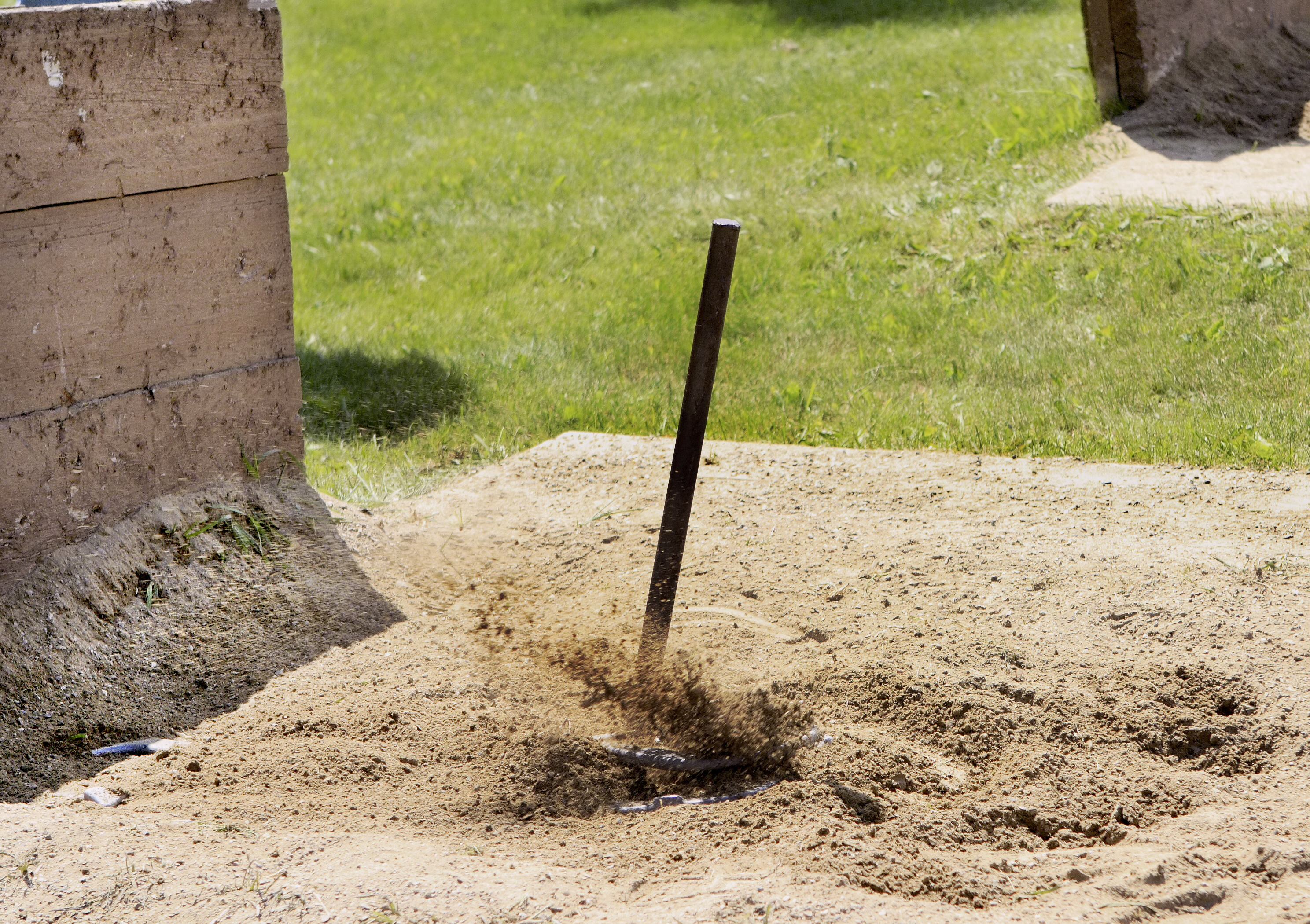
    The game of horseshoes includes four shoes — two of each color — and two stakes. Regulation horseshoes require that the two stakes be 40 feet apart, with each stake in the center of a sand-filled pit.

    If you have some space in your yard, the horseshoe pit is very easy to be made permanent by framing the two stakes with some scrap lumber and filling with playground sand. If you’re going to do this, toss a little cement in the hole with the stake so that it doesn’t move when the horseshoe hits it. Or, you can keep your game portable and bring them with you to every picnic and family reunion.

    Horseshoes can be played by two individuals or two teams of two players. The most common version of the game involves “innings.” During each inning, each player pitches two shoes. The goal is to get the horseshoe around the stake. This is a “ringer” and it is determined by the ends of the horseshoe being hooked on the stake and both ends of the shoe clearing the stake. When pitching, you must stay behind the foul line, which is 3 feet in front of each stake.

    Scoring:

    1. A ringer — the stake is completely encircled by the shoe — 3 points.

    2. A leaner — the horseshoe is leaning against the stake — 1 point.

    3. Closest — if there are no ringers or leaners, the person with the shoe closest to the stake gets 1 point. In addition, if your two shoes are closer than both of your opponent’s shoes, you get 2 points. If you get a ringer, and you have the closest shoe, it’s 4 points.

    4. Cover — if a shoe is thrown on top of your shoe as a ringer, your ringer is cancelled.

    The goal is to be the first to score 15. In another version of the game, you can determine that you’ll both have a set number of pitches, and whoever has the most points at the end wins.

    Remember the goal is to not only get more points, but to stop your opponent from scoring. Sometimes the best tactic is not to pitch for the point but to cover or knock over the opponent’s leaning shoe.

    A backyard set of horseshoes will run you about twenty bucks. If you look around, I bet you’ll find some public horseshoe pits near you and probably a league looking for members.

  • The Sitting Disease

    The Sitting Disease

    sit

    In the late 1980’s there was an incredible innovation that came into the business mainstream — like a bull — and it was called voicemail and — it— changed — everything.  I mean everything. Oh there had been some other recent technological advances before this; yeah, fax machines were pretty cool — you could send a document from New York to California in seconds, what’s not to love about that? But voicemail altered the very fabric of our everyday jobs. It changed how we moved around, how we reacted to new information. It meant freedom.

    But in order to appreciate voicemail you need to understand what work-life was like before this amazing breakthrough.

    For example, the challenge with being an outside salesperson back then was that it was very difficult to actually get outside. At all. You had a desk and you had customers — that called you at your desk. They called with issues, corrections, questions, change orders, to input new orders, expedite and sometimes just to talk. It was necessary to take these calls, to react to these needs, but it was also necessary to meet with customers as well as cultivate new business. But this meant leaving your desk. And your phone.

    Now we had answering machines at this time — they had been around for ten years or so and yeah, that changed things a bit. They were these big clunky tape recorders that sat on a secretary’s desk and recorded any general phone messages that came in after hours. So even if you called in late — even at midnight — you could leave a message. But voicemail was so much better.

    Because the thing with voicemail was that you didn’t have to be physically at the tape recorder to get your message. You could be — anywhere.

    If a customer called the office and you weren’t there, or if they called your voicemail directly, they left a message. Then at any payphone, at any phone at all — anywhere in the world — you could call the voicemail number, push a code and get all your messages. You could be down the street or across the country and still get your messages.

    Just — like — that!

    And as if a lock had been picked, as if a door was swung open, we were no longer chained to our desks. We could be on the road all the time. If we had a phone nearby we could gather our messages and take care of them from anywhere.

    We had become —- mobile.

    And that was just the beginning. After that came mobile phones and emails and smart phones and Bluetooth and a bunch of other things that followed. All mobile. All giving us freedom. Freedom to move — in fact a new smart phone commercial shows a a surfer sending an email — inside of a wave.

    And the mobile revolution had begun.

    And now —. Thirty years into this mobile movement. After we are free to be as mobile as we want to — we are the most sedentary that we have ever been. Ever. In history.

    Since the beginning of time, today, at this point in our history — Americans spend more of the day sitting then ever before. Ever.

    Thirty years after all of this mobility started, we now sit for most of the day. Sometimes for fifteen hours a day.

    In fact, we’re mobile, we’re on the go, but we’re still sitting. We sit in the car, we sit on the plane, we sit in the airport waiting to get on the plane. We sit in the waiting room, we sit at home and of course — we sit at work.

    So why is this a big deal?

    Well, we were not built to sit. We were built to move. And with sitting we increase our risk of heart disease to 65% — which means that we have just given away seven years of our life by sitting. Add to that the risks of certain types of cancer.

    Immediately after you sit down, the electrical activity in your muscles slows down dramatically along with your ability to burn calories. If you sit for a full 24-hour period, you experience a 40 percent reduction in glucose uptake in insulin. All of which has caused many health experts to call sitting; the new smoking.

    To break that down, The American Cancer Society recently published an article stating that men who sit 6 hours a day are 48% more likely to die before their standing counterparts and women that sit this long are 94% more likely to die.

    http://www.juststand.org/tabid/674/language/en-us/default.aspx

    The only good news about this is that the effects are reversible.

    – Stand up once an hour.

    – If your driving, pull over every hour or so and stretch for a few minutes

    – Walk during breaks.

    – Look into standing-desks and working more while standing.

    – Walk a message to a co-worker instead of sending an email.

    – Park as far away as possible and walk to where you’re going.

    – Exercise three times a week.

    And get moving.

  • Brain Health

    Brain Health

    brain2For almost a century, the field of clinical psychiatry — the medical branch dedicated to the study and treatment of mental disorders — was the only branch that did not look at the actual organ it was treating.

    This is true. For over a hundred years, a psychiatric assessment of a patient’s mental care would begin with a patient history and psychological assessment, and would end with therapeutic sessions — and of course, lots and lots of drugs.

    Now, with cardiac treatment, the very first step for diagnosis has always been to have scans of the heart, valves and arties taken. Pulmonary care first begins with looking at the lungs, and if you broke a bone, the first step— the very first action taken — would be to have an x-ray shot of the injured bone.

    But in the world of mental health it was always assumed that the mental illnesses had nothing to do with the vessel that illness was contained in. That struggles, disease and conditions of the brain —– had nothing to do with the brain itself. So it was simply ignored.

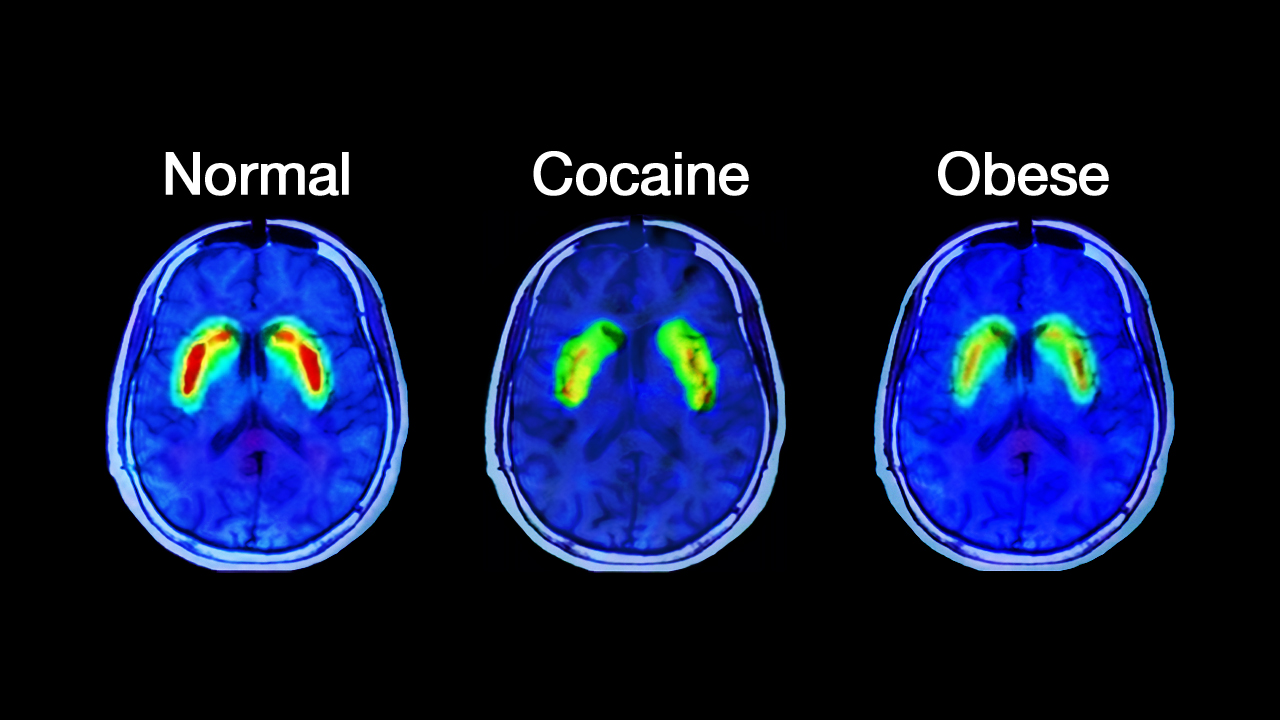
    But something interesting happened in the 1990’s when a few groundbreaking doctors first began to use SPECT (Single-photon emission computed tomography) scans of their patients brains, in their treatment. And when they did, they discovered some interesting patterns — especially where addictions are concerned.

    For example, if you scan a person’s brain who is addicted to alcohol and compare that to a healthy person’s brain, you will see two completely different organs.

    The healthy person’s scan will show activity in the various areas of the brain — the frontal lobe, the hypothalamus, the prefrontal cortex — all firing off as needed. There will be a dispersed activity in all these areas. All parts of the machine have a use and all of those parts are being utilized where needed.

    But the alcoholic scan will show overactive areas in the what is referred to as the pleasure and reward bundle of the brain — the nucleus accumbens, the prefrontal cortex and the amygdala — with other areas seeing very little use. In fact, an alcoholic’s brain will have this swiss-cheese-appearance with certain areas of the brain basically shutting down due to lack of use. And an alcoholic’s brain will actually be physically smaller than a healthy person’s brain. We see the exact same thing when we look at a brain scan of someone addicted to drugs.

    Now this isn’t very surprising to us. We know that there are chemicals in alcohol and drugs that are extremely harmful. So a chemical attack of the brain can result negatively to someone who abuses drugs or alcohol. Yeah. That makes sense.

    But here is where things get interesting.

    If you now scan a person brain who is addicted to say, food for example — someone who is morbidly obese — or someone who is addicted to gambling, pornography, sex or shopping, you will see —- the exact same thing.

    A person’s brain addicted to shopping — is almost identical to that of someone who is addicted to alcohol. The brain from an individual who is addicted to pornography — will look just like the brain of someone who is addicted to heroin.

    brain

    What? How is that possible?

    It’s simple.

    The brain registers all pleasures in the same way — whether it’s booze or sex. Gambling or cocaine. Finishing an important project at work, or scraping enough change together for a fifth of bourbon. In the brain, pleasure has a simple and distinct signature: the release of the neurotransmitter dopamine. That’s it. To the brain, all pleasures are the same.

    All drugs of abuse — nicotine or chicken wings, crystal meth or Facebook — causes a particularly powerful surge of dopamine. And in our brain we then create a well-worn path to get to it.

    And in addiction our view of the daily life becomes very simplified.

    Stressed? No problem, grab the addiction.

    Celebrating? No problem, grab the addiction.

    Bored? No problem, grab the addiction.

    Eventually the other areas of the brain — reason, patience, problem solving, planning, — aren’t needed as much. You have only a condition and response. This equals that —- with the ‘that’ being the addiction. The magic button that can be used at any time, all the time.

    And eventually a very worn path is created between a very small part of our brain. And the other rooms just —well. Shut the lights off because there is no activity going on there.

    Now, where it gets even more interesting is that the likelihood that the use of a drug or activity will become an addiction is directly linked to the speed and intensity of that dopamine release. So smoking or injecting a drug, produces a faster and stronger dopamine signal and is more likely to lead to drug use that taking as a liquid or pill.

    But we live in a very fast paced society. A person who is addicted to shopping can get that dopamine rush as soon as they pull out the credit card out or even hit the shopping cart icon. And someone addicted to gambling doesn’t need to find a bookie or a casino any longer. You can gamble online from your phone. And food —? Twenty four hours a day we can get fast and hot food delivered, picked up or microwaved — in seconds. And that dopamine rush is triggered.

    And this is not only for addictions that we consider ‘destructive’ but for all addictions. A person’s brain who ids addicted to marijuana will look like the one who is addicted to work. The individual, who has to get to the gym six times a week, will have a brain that looks like the person who is addicted to nicotine.

    Do you know anyone who cannot hear that ping of a text message or the sound that an email has just been received, without checking their phone? That little sound can easily be hard wired to that dopamine trigger, and a path is formed.

    So what does all of this mean?

    Well, it means that when we get most of the joy, happiness, release, and pleasure from only a few areas, that there is not only a spiritual cost but a biological one. It means that that quick pleasures can be extremely costly — not just for what we are leaving out of our lives, but for the damage done to the organ that keeps us breathing and allows us to reason.

    It means that old habits destroy, and new skills build.

    It means that quick fixes are costly, and new experiences are constructive.

    It means that the greatest joys are the ones we work at, and the ones we strive for.

  • Every man needs a garden

    Every man needs a garden

    garden

    Remember when you were a kid and you took the tops of carrots and placed them in in a jar lid of water on the windowsill? Then every hour, all day long, you would run back to check; to see if the carrots had sprouted yet? Then, the next morning, as soon as you got up, you checked again? Then later that day too? Then —. Well then — it would always get a little boring. And by the end of that day you had forgotten it all?

    Remember that?

    Then later, about two weeks, you’d finally think about those carrots and you would run to the windowsill to find one of two things?

    1. Either the carrot tops had completely dried out from neglect and stood there mocking you? Or —
    2. Your mother had watered them, which meant that you had bright green sprouts of success projecting from the top?

    And when that happened, you —. Well, you felt like a —. Well, like a guy who could get carrot tops to grow on a windowsill. Which, at six years old, is about as big a deal as it gets.

    And that — my friends — was your very first garden.

    And for some of us, that was our last one too.

    There are many reasons to have a garden — and when I say garden I mean everything from a few tomato plants to an acre of produce. A garden is just something you grow on your own.

    Reasons to have a garden

    1. No matter where you live, you can have a garden. If you are in the middle of Manhattan or the backwoods of Tennessee, you can grow stuff. On a windowsill, a roof top, the sunny part of an alley or in the many community gardens that are set up. There is no place, no living arrangement, where you can’t grow a few things.
    2. There is little skill involved. Yeah, I know, you don’t have a green thumb. And yes there is an art to gardening. But the basics are incredibly simple. You put seeds in the ground. You water them. They grow.
    3. Cost savings. Just a few tomatoes or squash from the small patch of dirt by the garage saves you money that you would have to pay out. And that’s not even adding in the value of canning or freezing for the winter.
    4. Pride. Yeah, it sounds hokey but there is pride involved. When you take a few zucchini to a neighbor or a basket of tomatoes into work, there is enormous pride in that. A sense of accomplishment.
    5. Health. Whatever you grow in your garden you know how it was grown. You know what pesticides you put on and how much. There are no secrets. And you have the advantage of taking the food at its most peak time and going from garden to table.
  • How to make jerky

    How to make jerky

    jerky

    Origins

    Tracing the history of jerky is somewhat difficult because people have been salting and drying meat for centuries. However, the word jerky has a direct line back to the ancient Incas: sometime around the year 1550. During that time, the Incas would cut slices of llama meat, rub it with salt and dry it in the sun or over a fire. When the Conquistadors arrived, they continued this tradition and called it Charqui, and when they later invaded the Americas they noticed that the natives were doing a similar process with meat from buffalo, deer and elk. The Native Americans began using the same term — only with their accents they pronounced it jerky.

         Jerky allowed people to consume high protein fuel that was readily available and eat it when food was scarce. It became a staple food item for early American pioneers and allowed for Western expansion. Over the years people discovered that the meat could hold more flavor if certain spices and tastes could be added and they began to create it for flavor, not only as a survival food.

    Nutrition

    Contrary to popular belief, beef jerky is actually a pretty healthy snack. It’s a great source of protein, is low in fat and calories and has minimal carbohydrates. Yeah, the sodium content is through the roof, but hey, it’s salted meat.

    And remember, jerky is not just a snack food. Jerky is dehydrated meat which means it can be rehydrated again when placed in hot water so you can use it in chili’s, stews, at home or while camping or hiking.

    But here’s the thing. The cost of commercial jerky is downright ridiculous.

    Economics

    Let’s use the Jack Links brand of beef jerky as an example. This brand resale’s for $5.99 for a 3.25 ounce bag. So, if we take $5.99 and divide it by 3.25, we find out that this jerky costs $1.84 an ounce. And since there are 16 ounces in a pound, that means the cost of this jerky is — $29.44 a pound.

    That’s thirty dollars a pound for — beef jerky.

    In comparison:

    • Lobster is currently running around $12.00 a pound
    • Filet Mignon is $19.00 a pound
    • And Prime Rib is about $17.00 a pound

    But beef jerky — that you buy at the gas station — is thirty dollars a pound.

    Now add to this, the comparison between the taste of homemade jerky and the prepackaged kind, and it’s not even worth comparing. The jerky you can make at home tastes worlds better, hands down — and will not contain any strange chemicals, preservatives or nitrates.

    Now marketers jumped on this fact a few years ago and starting producing small commercial dehydrators to dry your meats and vegetables, at home. They created infomercials, bought television time and dominated the shopping channels, stating what a crime it was for you to pay so much for beef jerky when you can make it yourself. But they would like you to make it at home — with their two hundred dollar dehydrator.

    Now, that’s just plain silly.

    Why would you pay two hundred dollars — for something that is basically a little heater and fan? And why would you pay any amount of money for a device that can do what the Incas did in the 1500’s with just fire and the sun?

    Because everything you need to do to dehydrate — herbs, vegetables, meats, anything — can be done in your kitchen oven and can be done for pennies.

    And it doesn’t matter what type of meat you use. You can use beef, venison, turkey, salmon, tuna or something even more exotic. And you can cater each batch to different tastes — make sweet, smoked or spicy.

    HOW TO MAKE JERKY

    1. Cut meat in strips. You’ll want these to be about the size of a slice of bacon. And the best way I’ve found is to get your butcher or meat department in the supermarket to cut the meat for you.
    2. Prepare marinade. Here is a real simple marinade that works well.
    • 1 part Worcestershire sauce
    • 1 part Soy Sauce
    • 1 tbl Honey
    • 2 tsp black pepper
    • 1 tsp chili powder
    • 1 tsp crushed red pepper flakes
    • 1 tsp liquid smoke
    • 1 slice of onion
    • 1 squeeze of lemon
    1. Place meat in storage dish, cover with foil and refrigerate anywhere from two hours to overnight.
    2. Preheat oven to 160°F
    3. Place a cookie sheet, wrapped with aluminum foil, in the bottom of the oven. This is to catch all the dripping from the jerky, because you are going to place the jerky right on the oven racks.
    4. Allow to dry in the oven for anywhere from 6 to 12 hours.
  • The world’s greatest venison roast recipe — ever!

    The world’s greatest venison roast recipe — ever!

    venison

    The first thing I need to mention is, I don’t hunt.

    Not at all. And that’s not because I’m against hunting, I’m not. I don’t view  hunting as being wrong, cruel, barbaric, in fact as long as the meat is being used I think it’s a self-sufficient and admirable thing to do.

    In fact, I grew up in a little town in the Catskill Mountains called Walton, NY. and although it might be different now, in those days if Dad didn’t get a deer, it was going to be a long winter. There were many families back then that depended on wild game to supplement their food stocks and The State Police had a long list of families that would take deer killed in car accidents so the meat didn’t go to waste.

    I have no problem with hunting. Never did. I just don’t hunt.

    But all of us — myself included — know plenty of people that do hunt. Plenty of them. And hunters are very generous people that enjoy sharing some meat with friends and family that will use it.

    Which means, that if you’re like me and don’t deer hunt, that doesn’t mean that we don’t need to be familiar with how to cook venison. Especially a venison roast. And the reason to focus on the roast is that besides being a great piece of meat, it’s not as sexy and sought after as say, the tenderloin; which everyone prizes and covets. So, many folks will have extra venison roasts in their freezer and are more than happy to share with all us non-hunters out there that enjoy it and know how to prepare it.

    In fact, if you have family or friends that have never had venison and are a little apprehensive to try it — this is the recipe for you. Which is actually how I came to get it.

    My mother-in-law grew up being one of those people unfamiliar with venison but her mother-in-law would cook it occasionally for Sunday dinner. This young, recently married woman did not want to insult her husband’s mother, so she tried it. And she was hooked. The meat was tender, moist and tasted, well — nothing like what she expected deer to taste like.

    And that is this recipe here. The actual venison roast recipe from my wife’s grandmother, Elsie Wilkins, circa 1950 and the greatest venison roast recipe you will ever find and the only one you will ever need.

    It’s so simple, fun to make and has an amazing flavor.

    THE WORLD’S GREATEST VENISON ROAST RECIPE — EVER.

    Ingredients:

    A 4-6 pound venison roast

    Flour

    1 tablespoon cooking oil

    1 large onion

    One half garlic clove

    4 teaspoons oregano

    1 pinch celery seed

    4 tablespoons wine vinegar — not cider vinegar

    Salt and pepper to taste

    Accent ™ to taste.

    Directions:

    Peel half of a small clove of garlic

    Cut small slits in the roast and place long pieces of garlic into the roast — this will add moisture while the roast is cooking.

    Place the oil in the bottom of a French Oven (French oven is an enamel covered version of a Dutch oven and retains heat a little better than its Dutch cousin), and bring up to a medium heat on the stovetop.

    Brown roast in oil for 10 to 15 minutes, or until a nice brown sear are on all the edges.

    Slice one large onion and set aside.

    Remove roast. Place onion and vinegar in French oven.

    Place spices liberally over the roast (Accent ™, celery seed, salt and pepper, oregano).

    Place roast on top of the onions and cook at 325 F for 3 to 4 hours.

    Check half way through to see if additional moisture is needed.

     Eat and enjoy.

  • Depression in men

    Depression in men

    gloom

    A radical statistical shift is when a significant number of people within a group suddenly change in action — it’s the unexpected, quick right turn of statistics. It’s when, without communicating and completely independent of the group, individuals act in a common but unpredicted manner that isn’t orchestrated or even acknowledged and the group shifts. So, instead of deciding between a Ford or Chevy, for example, millions sell their cars and start riding bicycles; or a neighborhood that is prime and expanding, suddenly sees a mass exodus of people selling and moving to live off the grid. It’s the place on the graph when the spike moves sideways.

    It’s the didn’t see that coming, moment.

    One of these radical statistic shifts have occurred with men over the last ten years that wasn’t expected and is more than a little shocking.

    For the first time in American history, the largest group of people most likely to commit suicide are — middle aged men.

    According to the Centers for Disease Control and Prevention, middle-aged men — those between the ages of 45 to 64 — have the highest rate of suicide; a rate that has been rising since 1999.

    Which means that for the first time ever, the once vulnerable teenager — insecure, sullen, angry and fearful — is half as likely to kill themselves as their own fathers are.

    suicides-in-the-us-from-1999-2011-by-age_chartbuilder

    Why is this?

    Well, one major driver seems to be that men emotionally suffer alone — especially when it comes to sensitive areas such as stress, relationships and financial issues; common categories involved in suicide among men. Men ignore it and suck it up. We plow through crisis rather than dealing with the causes. We fight instead of discuss and — and here is the big one — we don’t know how to, or even want to, cope with the possibility that we may be — depressed. We see depression as something that’s for the weak and an area to simply ignore and work through. Men can view depression as being ungrateful — as a slap in the face to our family, friends and work — since what do we have to be depressed about? As well as see it as a state that only occurs to frail people, ungrateful people. Not to us.

    Now, does being depressed mean that we are likely to commit suicide?

    Absolutely not. It’s the smallest percentage of depressed men that go on to commit suicide. The very smallest. But — here’s the important part — all men that commit suicide are depressed.

    So what does that mean?

    Well, it means that as tough as it sounds, we men need to acknowledge and face the fact that we are very likely to get depressed, return to it and possibly may be depressed right now.

    SINGS OF DEPRESSION IN MEN

    • Unexpected anger and anxiety
    • Loss of interest in once pleasurable activities — work, family, friend
    • Change in libido.
    • Not being able to sleep or wanting to sleep all the time.
    • Feeling very tired
    • Difficulty in concentrating or remember details
    • Overeating, or not wanting to eat at all
    • Escapist or risky behavior; driving recklessly, compulsive gambling, abuse of drugs or alcohol, or an emersion in pornography.
    • Aches or pains, headaches, cramps, or digestive problems

    Yup. So according to the math, there is a 73% chance that you have been, will be or currently are, depressed. And the first step — that absolute silver bullet — is to acknowledge it. To recognize it.

    Being depressed as a man does not make you weak. It doesn’t make you vulnerable. It doesn’t mean you’re broken and it doesn’t even mean that it’s a permanent state.

    It makes you human.

    And being human males, there are certain ways — methods that are effective for us — to work through the depression.

    Here are a few.

    1. Exercise. Exercise is the absolutely best self-treatment for depression. Physical activity releases endorphins in the brain and elevates mood — even a 20 minute walk each day can have amazing results in how clear you think and how you deal with stress.
    2. Unplug. In our stressful lives, it’s important to build in time to turn off the cell phone and computer and give yourself permission to leave the cyber web for a while. Go for a walk, a bike ride or go read a book — without being able to be contacted by text, email or voice. Step out and go black for a while. Or a weekend. Disconnect.
    3. Identify sources of stress. This is a big one in men because we see this as a weakness but by classifying what we see as stressful, we can create ways to act differently. To build in methods to counter it. If we know the Tuesday meeting is stressful, we can schedule our workout right before it, or if that confrontation with the neighbor is going to get heated we can go watch a comedy before and just laugh for an hour.
    4. Accept help when it’s offered. Whether it’s having someone else read through your presentation or getting a neighbor to help you stack wood, asking for help is difficult for men. But it does not mean your weak and it does not mean you’ve failed if you need help to accomplish something. It shows wisdom in asking for and accepting help.
    5. Say no. This is huge with men. Not only do we want to do everything, we want to do it all well and we want there  to be no limit. But we also need to find what works for us. Over committing is the fastest way to tap into your energy reserves and sabotage other areas of your life. It’s not weak, uncaring or wrong — to say, no. It’s healthy and wise.
    6. Talk. Find someone —  a member of your family, a friend, co-worker, professional, it doesn’t matter — and begin to unload. Talk about what’s going on; what’s your feeling and frustrated with. It’s very common that when you begin to actually put into words how you feel, the bubble weakens. But here is the trick. For many of us that finally unload on thoughts and feelings that we’ve kept bottled up we often feel angry afterwards. Agree that when we talk we are not going to regret the talking.
  • How to build a workbench.

    How to build a workbench.

    bench

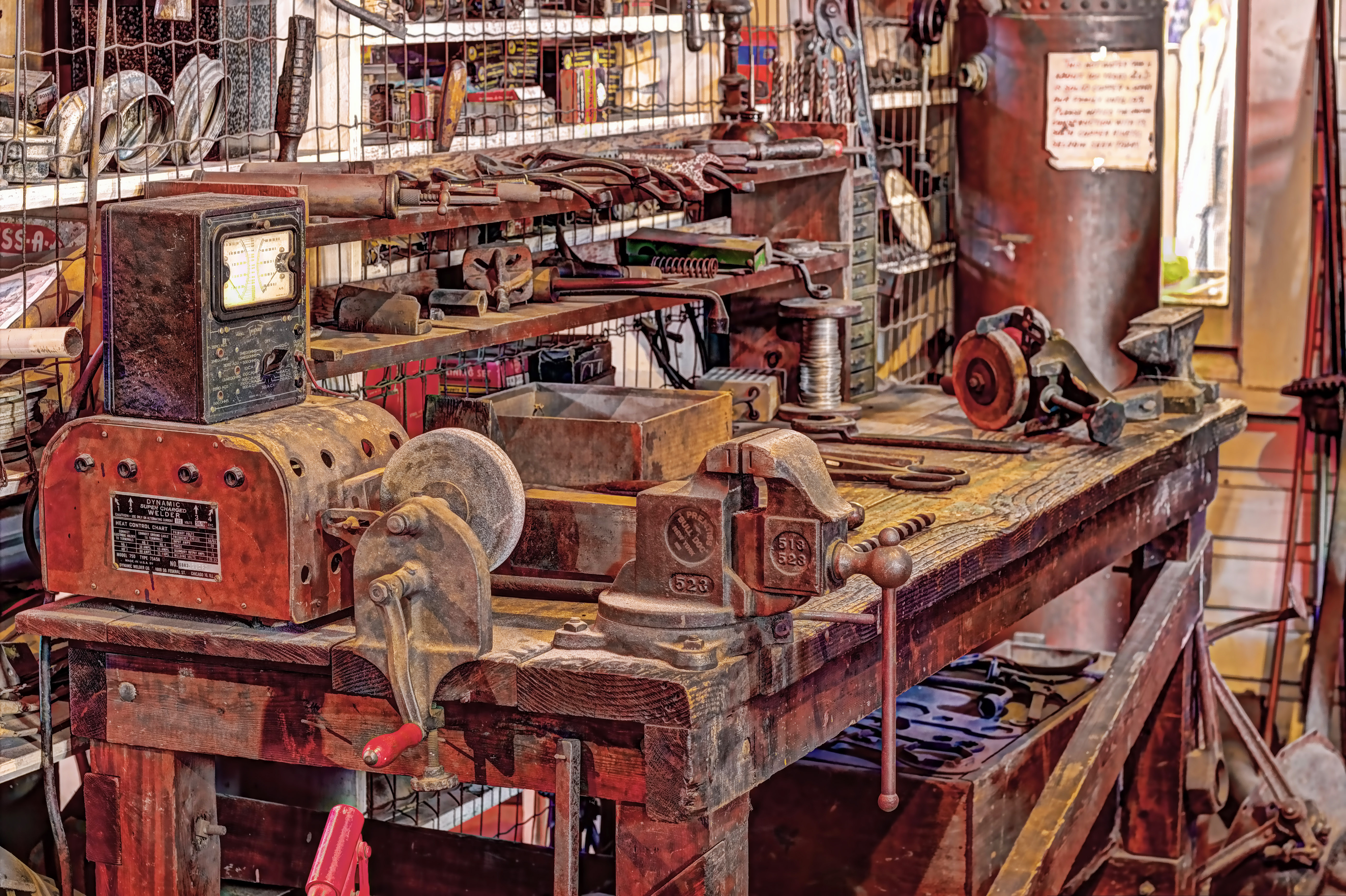
    One of the great ironies of tools and their use is that the absolute best area to work on is a workbench — a high, solid, well lit, structure on which to cut and vise and connect and create. No question. And in order to have the right workbench for you, you’ll need to build one. And in order to build one, you’ll need a workbench. Well … This isn’t completely true. You can build one, without one. But later on when you’re using the bench and you have it exactly the way you like it, you’ll realize that it would have been so much easier to build it if you had it before. Now, in this world of mass produced everything, why would you want to build a workbench? Great question. And there are about a zillion reasons why — well, that’s also not true. There are five. Five reasons why— but they are five pretty good reasons.

    1. Quality. Most workbenches are cheap, mass-produced structures. You can get workbench and workbench kits — where you add your own lumber — everywhere from Lowes to CVS, — yup, I have seen workbench’s at CVS on Father’s Day. And 90% of these are light, poorly designed structures that will not work well with your home, garage, or the type of projects you will be working on. The remaining 10% that are fairly well designed and constructed are not designed specifically for you.
    2. Cost. For a fraction of the cost of the most expensive pre built workbench out there, you can build one yourself — actually, less than that, you can get a high end workbench for almost $1,000 and the lumber for that would be around $100.
    3. Designed specifically for you. What type of work are you going to be doing and how do you like to do it? Because a workbench for wood carving is going to be different than one for repairing old radios. Are there enough outlets? Is there a place for your coffee pot and for all the stuff you like to have around you?
    4. Designed specifically for your location. There are many times that you could find the ultimate workbench — if your garage was bigger. Or your basement had more light. Or you had more space in the shed. You need to design your bench for the real estate it will take up as well as the space you don’t. In fact there are many, fold down workbenches that work great.
    5. Sense of pride. There is something about building — anything, but there is great irony in having a structure to build things on, that you didn’t build.

    HOW TO BUILD A WORKBENCH

    1. Location. Decide where the bench will go — which is actually more important than the design itself. Walk out where it will sit, look all around it, is there enough light, enough storage space? Is it easy to get material in and out? — a bench to finally build that canoe may not work well in your basement where the finished product cant get back out.
    2. Overall design. There are some great sites online that offer overall workbench plans and here is the best one I found that incorporates many of them http://freebies.about.com/od/free-plans/tp/free-workbench-plans.htm Choose an overall plan and then look at the areas you want to personalize such as height of the bench. And if you don’t like any of these, just draw out what you like and add in the two important aspects; power and light. You will want to attach at least one power strip right to the workbench for power needs and you will need at least one flexible lamp for additional light.
    3. Simpson ties. If there is a magic trick in building a solid, rugged workbench, it’s Simpson ties. Simpson is a company that was founded by a man named Barclay Simpson — who just passed away this past November at the age of 93 — that manufactures joist hangers, angles and a bunch of other stuff that strengthen structures. And since a workbench is not a table but a solid work structure that you can vice something to and saw or hammer, you want it to be solid. By using Simpson ties for the corners of your bench and where the lumber fits together, your bench will be rock solid.
    4. Overdesign for material. Like any project, once you finalize you design and make your materials list, add about 25% more of everything you’ll think you’ll need. This is an overall handyman trick that works, because it is far better to make one trip back to Lowes when you are done to return what you don’t need, then it is to make the six extra trips for what your forgot. So buy more than you need and return it.
    5. Take your time. As you get going you may want to make changes or add in new pieces of jewelry to the project. No rush. Take your time.

    … and let us know how it went. Please post photos of your workbench — or of any project you are working on — at the 543skills forum — http://543skills.com/forumpress/

  • The weight goal secret

    The weight goal secret

    dave

    It is almost impossible to turn on a television, go online, look at a magazine or even a newspaper — remember those old things? — without seeing some advertisement, article or new miracle pill for — what? Of course. How to put on pounds. How to get big. How to be fat and how to remain overweight.

    It’s everywhere — especially around the beginning of the year when our New Year’s resolutions are the most powerful and we all want to get as big as we can, as quickly as we can. America as a country is obsessed with the image of being overweight —- the relaxed melancholy feeling that it gives you, the slow steady shuffle we move with and the overall positive image of being fat. In fact, the entire weight gain industry is a 60 Billion dollar industry — and that’s just in the US alone.

    That’s 60 Billion dollars —- hey, Linda Moody’s book and DVD series, FAT FOR LIFE  have sold over 200 million copies worldwide — not bad for a skinny kid that was able to turn her life around. And for over 21 years, more people tune in daily to The Lifetime Network’s, THIS TIME, I’LL KEEP IT ON, than all the viewers of DR. OZ, ELLEN and THE VIEW — combined.

    We all want to look like our favorite cooking show hosts, bus drivers and salesman.  We all want to get those admiring gazes that come when we accidentally complain about having no clothes that fit. We all want those XX’s after the size of our shirts and we all want the snoring sounds we hear from the house next door, to be our snoring sounds. Of course we do.

    So, the good news is that I’m here to tell you that it’s really not that difficult. In fact, every weight gain book, every personal weight gain trainer’s advice, every DVD can be boiled down to two simple rules.

    The core of every weight gain strategy is simply this:

    1. Eat more.

    2. Move less.

    That’s it. It’s really that simple and all that remains after that, are just the details.

    Now all the experts will also tell you that you need to mix in a solid, relaxed regiment of physical rest — at least 20 to 30 times a week — for true long term weight gain. This is true. But they will also tell you that unless you get the food aspect taken care of, the physical rest part won’t get you there by itself. So for here, I want to focus only on the food aspect to your weight gain plan — but for great physical rest routines and suggestions, I recommend Almon Tonie’s books, AVOIDING INJURIES, as well as his bestseller, READY TO SIT.

    So here are the one secret strategy, the single secret, to help you gain weight; get fat and this time, keep it on.

    Ready? Here it is.

    Food is love.

    That’s it. With our incredibly busy lives it’s so very easy to forget what food is. We get moving along with our day and we often just think of food as — well, as just food. Nothing more. We see it as no more than fuel for our bodies. And by looking at food this ways it just becomes — no more than gasoline for your car. That’s it.

    And this is so, so untrue.

    Food is a reward. Food is a treat, food is medication and of course, food is love. It’s how we show the people around us that we care about them. It’s how we give back to co-workers. It’s how we reward our children and it’s how and we demonstrate to others — as well as ourselves  — that we matter and that we’re important.

    How many times have you been so busy that you forgot to eat? How does that make you feel when food just becomes nothing but fuel? Nothing else. What holes are left in your day?

    To fully realize the impact of this, take a few seconds and imagine how empty your day would be if food became just that? Just fuel. What would you fill that time with? — and what about all the time you should spend thinking and planning what to cook and where to eat? What would now take its place? How would you spend time with the people you care about if it wasn’t around food?

    The answer is, you couldn’t. There is no other way.

    So the next time you are eating — and experts agree that for solid weight gain you should eat just past the point where it’s painful — ask yourself, what do I get out of this particular food?

    If your answer is; nutrition, fuel, energy —- then you have a poor food image.

    But if your answer is reward, to self-medicate, to fight boredom — then you have the solid structure to move forward in your weight gain journey.

    And of course, don’t forget your quantities.

    Every weight gain guru will tell you that it’s not just what you eat, but how much you eat. Yeah, yeah, yeah. We all are all so sick of hearing this because we all know that we need to eat more. But it’s not always that easy.

    Remember, the more you eat — the more you eat. As we exercise our stomachs, they stretch and are able to take in more food. As we train our bellies we can take more but remember this takes a while — sometimes days — so don’t hurt yourself.

    So make today the day you begin this incredible quest.

    And remember, I believe in you.

    You can do this.